
Alkali Resistant Conveyor Belt Providing Reliable Solutions for Chemical and Industrial Material Handling
2026-07-21
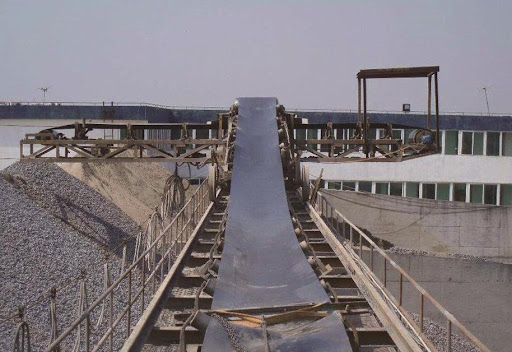
Alkali resistant conveyor belt is a specially designed industrial conveyor solution developed for transporting alkaline materials and chemical products in harsh working environments. Compared with ordinary conveyor belts, it features excellent resistance to alkali corrosion, abrasion, and aging, ensuring stable performance even when exposed to strong alkaline substances for long periods. This makes it widely used in industries such as chemical processing, mining, metallurgy, cement production, and construction material handling.
In many industrial production processes, conveyor belts are required to continuously transport materials containing alkaline components, including lime, cement raw materials, chemical powders, and mineral products. Traditional conveyor belts may experience surface damage, cracking, swelling, or reduced strength after long-term contact with alkaline materials. The alkali resistant conveyor belt effectively solves these problems by using specially formulated rubber compounds and reinforced structures, providing stronger chemical resistance and longer service life.
One of the main advantages of this conveyor belt is its excellent alkali resistance. The belt surface is designed to withstand continuous exposure to alkaline substances, reducing deterioration caused by chemical reactions. This feature helps maintain belt flexibility, tensile strength, and operational stability, allowing equipment to run efficiently under demanding conditions. In addition, the belt offers good wear resistance, which reduces damage caused by friction during material transportation and lowers replacement frequency.
Another important benefit is its high load-bearing capacity and reliable performance. The reinforced belt structure provides excellent tensile strength, allowing it to handle heavy materials while maintaining smooth operation. Whether transporting bulk materials over long distances or operating in high-load production lines, the alkali resistant conveyor belt can provide consistent conveying performance. Its durability helps companies reduce downtime and improve overall production efficiency.
The role of an alkali resistant conveyor belt is not only to transport materials but also to protect the entire conveying system. A damaged conveyor belt can cause production interruptions, increased maintenance costs, and safety risks. By selecting a belt designed specifically for alkaline environments, enterprises can reduce unexpected failures and extend the service life of conveyor equipment. This provides a more economical and reliable solution for industrial material transportation.
For example, a cement manufacturing company previously used standard conveyor belts for transporting alkaline raw materials. After several months of operation, the belts showed signs of surface cracking and reduced strength, leading to frequent replacements and production delays. After switching to an alkali resistant conveyor belt, the company achieved longer belt service intervals, reduced maintenance costs, and improved production continuity. This application demonstrates the practical value of specialized conveyor solutions in challenging industrial environments.
Many customers currently face problems such as high replacement costs, unstable transportation efficiency, and frequent equipment maintenance caused by chemical corrosion. The alkali resistant conveyor belt provides an effective solution by combining chemical resistance, durability, and strong mechanical performance. It helps users maintain stable production, reduce operating expenses, and improve the reliability of material handling systems.
With the continuous development of modern industries, the demand for durable and high-performance conveyor equipment continues to increase. The alkali resistant conveyor belt has become an important component for industries requiring safe and efficient material transportation. By offering excellent resistance to alkaline substances, strong wear protection, and long-term operational reliability, it supports businesses in achieving higher productivity and more sustainable industrial operations.
Pre:
Othe informations
Understanding Rubber Conveyor Belts: Essential Insights for Industrial Applications
Rubber conveyor belts are a crucial component in many industrial applications, serving as the backbone for material handling systems across various sectors. These belts are designed to transport materials efficiently, helping to streamline operations and increase productivity. One of the primary advantages of rubber conveyor belts is their durability. Made from a combination of natural and synthet
How to Choose the Right High Temperature Conveyor Belt for Your Industry
How to Choose the Right High Temperature Conveyor Belt for Your Industry Table of Contents 1. Understanding High Temperature Conveyor Belts 2. Key Factors to Consider When Choosing a Conveyor Belt 3. Material Types and Their Properties 3.1. Rubber Conveyor Belts 3.2. Teflon Conveyor Belts 3.3. Silicone Conveyor Belts 3.4. Metal Conveyor Belts 4. Temperature Ratings and Their Importance 5. Design a
Understanding Steel Cord Conveyor Belts: A Key Component in Industrial Operations
Steel cord conveyor belts are an integral part of material handling systems, primarily used in heavy-duty applications across various industries. These belts are constructed with high tensile steel cords embedded within the belt's rubber layers, which provide exceptional strength and durability. This unique construction method not only enhances the belt's load-bearing capacity but also contributes
Add:No. 12, Hexin Road, Sanhe Town, Tiantai County, Taizhou, Zhejiang, China
SOCIAL MEDIA
