
The Ultimate Guide to Conveyor Belts: Enhancing Efficiency in Industrial Operations
2025-12-16
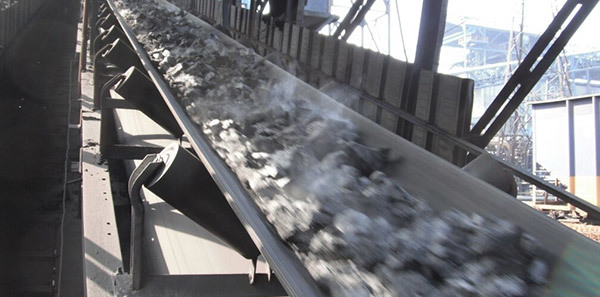
Conveyor belts come in various forms, each designed for specific applications. There are flat belts, modular belts, and cleated belts, among others, each catering to different materials and environments. For instance, flat conveyor belts are commonly used for transporting lightweight materials over short distances, while modular belts are preferred for their versatility and ease of maintenance. Cleated belts, on the other hand, feature raised sections that help transport materials at an incline, making them ideal for steep gradients.
The applications of conveyor belts span numerous industries, including manufacturing, food processing, packaging, and logistics. In manufacturing, conveyor belts serve to automate the movement of materials between workstations, reducing manual labor and increasing efficiency. In food processing, specialized conveyor belts are designed to meet hygiene standards, allowing for the safe transport of food items. The logistics sector relies heavily on conveyor belts for sorting and distributing products, significantly speeding up the handling process.
One of the key benefits of using conveyor belts is the increased efficiency they bring to industrial operations. By automating the material handling process, businesses can reduce labor costs and minimize the risk of human error. Conveyor belts can also operate continuously, providing a reliable solution for transporting materials without interruption. Additionally, the use of conveyor belts can lead to improved safety in the workplace by minimizing the need for manual lifting and carrying, thereby reducing the risk of workplace injuries.
Moreover, conveyor belts can be customized to meet specific requirements, ensuring that they are tailored to the unique needs of each operation. This customization may include selecting the appropriate material for the belt surface, optimizing the width and length, and integrating features such as side guards or sensors to enhance functionality.
In conclusion, conveyor belts are more than just a means of transport; they are vital tools that can significantly enhance operational efficiency across various industries. By understanding the types and applications of conveyor belts, businesses can make informed decisions that lead to improved productivity and safety in their operations. Investing in quality conveyor belts is an essential step toward achieving long-term industrial success.
Othe informations
Exploring the Applications of Acid-Alkaline Resistant Conveyor Belts in Harsh Environments
Exploring the Applications of Acid-Alkaline Resistant Conveyor Belts in Harsh Environments Table of Contents 1. Introduction to Acid-Alkaline Resistant Conveyor Belts 2. Importance of Acid-Alkaline Resistance in Conveyor Belts 3. Applications of Acid-Alkaline Resistant Conveyor Belts 3.1 Chemical Industry 3.2 Mining and Mineral Processing 3
Understanding Oil Resistant Conveyor Belts: Essential Insights for Industrial Professionals
Oil resistant conveyor belts are specifically designed to withstand the effects of oil and grease, making them a vital component in various industrial applications. These belts are crafted from materials that not only provide excellent durability but also have a high resistance to the degrading effects of oils, which can often lead to premature wear and tear in standard belts. One of the primary a
Choosing the Perfect Heat Resistant Conveyor Belt for Your Industrial Needs
Choosing the Perfect Heat Resistant Conveyor Belt for Your Industrial Needs Table of Contents Introduction to Heat Resistant Conveyor Belts Understanding Heat Resistance in Conveyor Belts Types of Heat Resistant Conveyor Belts Factors Affecting Heat Resistance Choosing the Right Heat Resistant Conveyor Belt Installation Tips for Heat Resistant Conveyor Belts Mainte
Add:No. 12, Hexin Road, Sanhe Town, Tiantai County, Taizhou, Zhejiang, China
SOCIAL MEDIA
