
Maximize Efficiency: Essential Tips for Conveyor Belt Maintenance and Care
2025-12-23
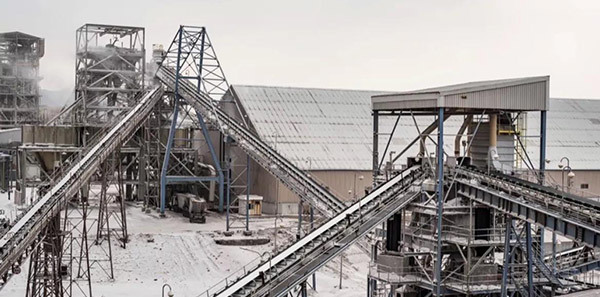
Maximize Efficiency: Essential Tips for Conveyor Belt Maintenance and Care
Table of Contents
- Understanding Conveyor Belts: A Key Component in Industrial Efficiency
- The Importance of Conveyor Belt Maintenance
- Common Conveyor Belt Issues and Their Solutions
- Preventive Maintenance Tips for Conveyor Belts
- Daily Checks and Inspections for Optimal Performance
- Essential Lubrication and Cleaning Techniques
- Monitoring Conveyor Belt Performance: Key Metrics
- Knowing When to Consult Professionals for Conveyor Maintenance
- Conclusion
- FAQs about Conveyor Belt Maintenance
Understanding Conveyor Belts: A Key Component in Industrial Efficiency
Conveyor belts play a pivotal role in various industries, serving as the backbone of material handling systems. They transport goods and materials efficiently between different processes, reducing manual labor and facilitating smooth operations. Understanding the components of conveyor belts, including the belt itself, pulleys, rollers, and motors, is essential for maximizing their efficiency.
How Conveyor Belts Work
Conveyor belts operate by using a continuous loop of material, typically made of rubber, fabric, or metal, that moves around pulleys. This system allows for a consistent flow of materials, significantly improving productivity in environments such as manufacturing, logistics, and mining.
The Importance of Conveyor Belt Maintenance
Regular maintenance of conveyor belts is crucial for ensuring their longevity and optimal performance. Neglecting maintenance can lead to unexpected breakdowns, decreased efficiency, and costly repairs.
Cost-Effectiveness of Maintenance
Investing in routine maintenance can save businesses substantial amounts of money in the long run. Preventive measures help identify issues before they escalate, thus avoiding expensive downtimes and replacements.
Common Conveyor Belt Issues and Their Solutions
Despite their robustness, conveyor belts are not immune to challenges. Identifying common issues early can prevent more significant problems down the line.
1. Misalignment
Misalignment occurs when the conveyor belt is not correctly positioned on its pulleys. This can lead to uneven wear, reduced efficiency, and potential damage. Regularly checking the alignment during maintenance inspections is essential.
2. Wear and Tear
Over time, the surface of conveyor belts can wear down, leading to reduced friction and efficiency. Regularly inspecting the belt for signs of wear, such as fraying or cracking, is necessary to address issues promptly.
3. Slippage
Slippage happens when the belt moves but does not effectively transfer the load. This issue can occur due to a lack of tension or excessive dirt buildup. Ensuring the proper tension and cleanliness of the belt is critical to preventing slippage.
Preventive Maintenance Tips for Conveyor Belts
Implementing a preventive maintenance strategy can extend the life of your conveyor belts and keep operations running smoothly.
1. Regular Inspections
Schedule regular inspections to assess the condition of the conveyor system. Look for wear, alignment, and any unusual noises that may indicate potential problems.
2. Maintain Proper Tension
Ensure that the conveyor belt maintains the correct tension to prevent slippage and excessive wear. Adjustments should be made as needed to keep the belt operating efficiently.
3. Schedule Cleaning Intervals
Dirt and debris can accumulate on conveyor belts, leading to slippage and wear. Implement a cleaning schedule that includes both daily cleanings and more thorough weekly cleans.
4. Use Quality Components
Invest in high-quality conveyor components, including belts, pulleys, and rollers. Quality materials are more durable and less prone to failure, ensuring a longer lifespan for the entire system.
Daily Checks and Inspections for Optimal Performance
Daily checks are critical for maintaining conveyor belt efficiency.
1. Visual Inspections
Conduct visual inspections every day to look for signs of wear, misalignment, or other potential issues. Immediate action can be taken if problems are identified early.
2. Listen for Unusual Noises
Pay attention to any unusual sounds during operation. Grinding or squeaking noises may indicate that bearings need lubrication or that other components are failing.
3. Monitor Load Distribution
Ensure that the load is evenly distributed across the conveyor belt. Uneven loads can lead to increased wear and potential damage.
Essential Lubrication and Cleaning Techniques
Proper lubrication and cleaning techniques are crucial for the efficiency of conveyor systems.
1. Lubrication Best Practices
Regularly lubricate moving parts, including pulleys and rollers, to reduce friction and wear. Use the appropriate lubricant recommended by the manufacturer.
2. Effective Cleaning Solutions
Utilize non-abrasive cleaning solutions to clean conveyor belts without damaging them. Regularly removing debris and buildup ensures optimal performance.
Monitoring Conveyor Belt Performance: Key Metrics
Monitoring the performance of your conveyor belts can help identify issues before they result in downtime.
1. Load Capacity
Keep track of the load capacity and ensure it does not exceed the limit specified by the manufacturer. Overloading can stress the belt and lead to failure.
2. Speed Monitoring
Monitor the speed of the conveyor belt. Inconsistent speeds can indicate problems with the motor or belt tension.
Knowing When to Consult Professionals for Conveyor Maintenance
While regular maintenance can be handled in-house, there are times when professional assistance is necessary.
1. Complex Repairs
If your conveyor system requires complex repairs or modifications, it is best to consult qualified professionals to ensure the work is done correctly.
2. Upgrading Systems
When upgrading to more advanced conveyor systems, consulting with professionals can provide valuable insights and ensure that the system is optimized for your specific needs.
Conclusion
Maximizing the efficiency of conveyor belts requires a comprehensive understanding of maintenance practices and ongoing care. By implementing regular inspections, preventive maintenance strategies, and monitoring performance, businesses can significantly extend the lifespan of their conveyor systems and reduce operational costs. Investing time and resources in conveyor belt maintenance is not just beneficial—it is essential for sustaining productivity and efficiency in any industrial environment.
FAQs about Conveyor Belt Maintenance
1. How often should I inspect my conveyor belts?
Regular inspections should be conducted daily, while more thorough assessments can take place weekly or monthly based on usage and operational conditions.
2. What are the signs of a conveyor belt that needs replacement?
Signs include excessive wear, visible cracks, fraying edges, and consistent slippage during operation.
3. Can I clean my conveyor belt with water?
Using water can be effective, but ensure that the belt is rated for wet cleaning. Use non-abrasive, manufacturer-approved cleaning solutions.
4. How can I improve the life of my conveyor belt?
Regular maintenance, proper tension, and using quality components are key factors in extending the life of your conveyor belt.
5. Is professional maintenance really necessary?
While routine checks can be performed in-house, professional maintenance is essential for complex issues and system upgrades to ensure optimal performance and safety.
Othe informations
Exploring the Applications of Acid-Alkaline Resistant Conveyor Belts in Harsh Environments
Exploring the Applications of Acid-Alkaline Resistant Conveyor Belts in Harsh Environments Table of Contents 1. Introduction to Acid-Alkaline Resistant Conveyor Belts 2. Importance of Acid-Alkaline Resistance in Conveyor Belts 3. Applications of Acid-Alkaline Resistant Conveyor Belts 3.1 Chemical Industry 3.2 Mining and Mineral Processing 3
Understanding Oil Resistant Conveyor Belts: Essential Insights for Industrial Professionals
Oil resistant conveyor belts are specifically designed to withstand the effects of oil and grease, making them a vital component in various industrial applications. These belts are crafted from materials that not only provide excellent durability but also have a high resistance to the degrading effects of oils, which can often lead to premature wear and tear in standard belts. One of the primary a
Choosing the Perfect Heat Resistant Conveyor Belt for Your Industrial Needs
Choosing the Perfect Heat Resistant Conveyor Belt for Your Industrial Needs Table of Contents Introduction to Heat Resistant Conveyor Belts Understanding Heat Resistance in Conveyor Belts Types of Heat Resistant Conveyor Belts Factors Affecting Heat Resistance Choosing the Right Heat Resistant Conveyor Belt Installation Tips for Heat Resistant Conveyor Belts Mainte
Add:No. 12, Hexin Road, Sanhe Town, Tiantai County, Taizhou, Zhejiang, China
SOCIAL MEDIA
