
Understanding Conveyor Belts: Essential Insights for Industry Professionals
2025-12-30
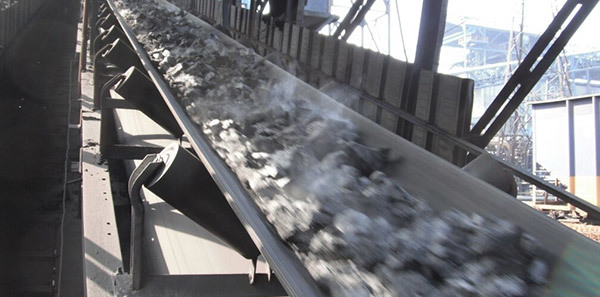
A conveyor belt comprises several essential components, including the belt itself, pulleys, idlers, and a drive mechanism. The belt material varies based on the application, with common options including rubber, fabric, and metal. Each material offers distinct advantages, such as durability, flexibility, and resistance to various environmental conditions. Selecting the right belt material is crucial for optimizing performance and extending the lifespan of the conveyor system.
Proper maintenance of conveyor belts is vital to ensure smooth operation and reduce downtime. Regular inspections should be conducted to identify wear and tear, misalignment, and other potential issues. Key maintenance practices include cleaning the belt to prevent build-up, checking tension levels, and lubricating moving parts. Additionally, it’s important to follow manufacturer guidelines for replacement intervals and to address any concerns promptly to avoid costly breakdowns.
Another significant consideration in conveyor belt systems is the layout and design. An efficient configuration can minimize material handling time and maximize throughput. Factors such as the angle of incline, belt speed, and the type of products being transported should be taken into account during the design phase. Utilizing advanced technology, such as automation and smart sensors, can further enhance the efficiency of conveyor systems.
Safety is paramount in any industrial setting, and conveyor belts are no exception. Implementing safety measures, such as emergency stop buttons, guarding systems, and proper training for personnel, can help mitigate risks associated with conveyor belt operations. It is crucial for organizations to prioritize safety protocols to protect workers and ensure compliance with industry regulations.
In conclusion, conveyor belts are an indispensable element in industrial operations, providing efficient solutions for material handling. By understanding the components, maintenance practices, design considerations, and safety measures associated with conveyor belts, industry professionals can enhance their operations and drive productivity. Investing time and resources into optimizing conveyor belt systems will ultimately lead to improved efficiency, reduced costs, and a safer working environment.
Othe informations
The Science Behind Oil Resistant Conveyor Belt Technology: A Comprehensive Guide
The Science Behind Oil Resistant Conveyor Belt Technology In the realm of industrial equipment and components, the significance of **conveyor belts** cannot be overstated. They serve as the backbone of **manufacturing and transport systems**, particularly in environments where **oil exposure** is common. Understanding the **science behind oil-resistant conveyor belt technology** is crucial for sel
Understanding the Importance of Heat Resistant Conveyor Belts in Industrial Applications
Heat resistant conveyor belts are engineered to withstand high temperatures, making them essential in various industries such as metalworking, food processing, and waste management. These belts are designed to transport materials that are exposed to extreme heat, thereby preventing degradation and ensuring longevity. The choice of the right heat resistant conveyor belt can drastically impact the p
Choosing the Right Cold Resistant Conveyor Belt for Your Industry: A Comprehensive Guide
Choosing the Right Cold Resistant Conveyor Belt for Your Industry Table of Contents 1. Understanding Cold Resistant Conveyor Belts 2. Key Applications of Cold Resistant Conveyor Belts 3. Factors to Consider When Choosing a Cold Resistant Conveyor Belt 3.1 Material Composition 3.2 Temperature Range 3.3 Belt Thickness and Width 3.4 Surface Texture 3.5 Load Capacity and Strength 4
Add:No. 12, Hexin Road, Sanhe Town, Tiantai County, Taizhou, Zhejiang, China
SOCIAL MEDIA
