
Why You Need an Acid Resistant Conveyor Belt for Your Industrial Operations
2026-02-13
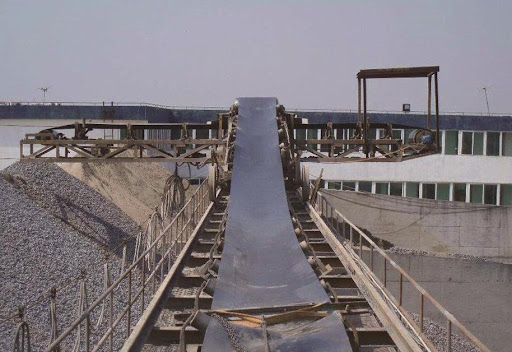
Why You Need an Acid Resistant Conveyor Belt for Your Industrial Operations
Understanding the Importance of Conveyor Belts in Industrial Settings
In today's fast-paced industrial landscape, the efficiency of operations often hinges on the performance of conveyor belts. These critical components provide seamless transport of materials, enabling businesses to operate smoothly and effectively. Among the wide array of conveyor belts available, the acid resistant conveyor belt stands out, especially in environments where corrosive substances are prevalent.
What is an Acid Resistant Conveyor Belt?
An acid resistant conveyor belt is specifically designed to withstand exposure to corrosive chemicals and harsh environments. Manufacturing processes in various industries, such as mining, chemical production, and wastewater treatment, often involve materials that can eat away at standard conveyor belts. Acid resistant belts are constructed using materials that are naturally resistant to deterioration caused by acids and other corrosive substances.
The Composition of Acid Resistant Conveyor Belts
Typically made from specialized rubber compounds, acid resistant conveyor belts incorporate additives that enhance their durability and chemical resistance. The primary materials used in these belts often include:
- **Nitrile Rubber**: Known for its excellent resistance to oils and acids.
- **EPDM Rubber**: Resilient against UV rays, ozone, and various chemicals.
- **Polyurethane**: Offers high abrasion resistance and is often used in food processing applications.
These materials are carefully selected to ensure that the conveyor belts can endure prolonged exposure to aggressive substances, thus maintaining operational integrity.
Key Benefits of Acid Resistant Conveyor Belts
The adoption of acid resistant conveyor belts provides numerous advantages that can significantly impact industrial operations.
1. Enhanced Durability and Longevity
Acid resistant conveyor belts are engineered to withstand wear and tear from corrosive substances, minimizing the frequency of replacements. This durability leads to reduced maintenance costs, providing substantial savings over time.
2. Improved Safety Standards
In industries where corrosive materials are prevalent, safety is a top concern. Acid resistant conveyor belts mitigate the risk of leaks and spills, thereby protecting workers from hazardous exposures. Implementing these belts can enhance overall workplace safety.
3. Consistent Performance in Harsh Environments
Operational consistency is paramount for productivity. Acid resistant conveyor belts maintain their performance even in extreme conditions, ensuring that the flow of materials remains uninterrupted. This reliability is crucial for meeting production deadlines.
4. Versatility Across Multiple Industries
Whether in chemical manufacturing, mining, or food processing, the versatility of acid resistant conveyor belts makes them suitable for various applications. Their ability to handle diverse materials enables businesses to operate across multiple sectors without the need for different conveyor systems.
5. Cost-Effectiveness
While the initial investment in acid resistant conveyor belts may be higher than standard options, their long-term benefits outweigh the costs. Reduced downtime, lower maintenance expenses, and increased operational efficiency lead to substantial savings.
Applications of Acid Resistant Conveyor Belts
Understanding where acid resistant conveyor belts are applied can help businesses identify their needs effectively.
1. Chemical Manufacturing
In chemical plants, the handling of acids and other corrosive substances is routine. Acid resistant conveyor belts transport materials safely and efficiently, preventing contamination and ensuring compliance with safety regulations.
2. Mining Operations
In mining, the transportation of minerals often involves the use of acidic solutions. Acid resistant belts help in moving these materials without degrading, thus improving efficiency and safety standards.
3. Wastewater Treatment Facilities
Wastewater treatment processes often involve corrosive chemicals. Acid resistant conveyor belts are essential in these facilities to transport sludge and other byproducts without compromising the belt’s integrity.
4. Food Processing Industries
Certain food processing applications utilize acidic products. Acid resistant conveyor belts are designed to meet food safety standards while providing the necessary durability against corrosive ingredients.
How to Choose the Right Acid Resistant Conveyor Belt
Selecting the appropriate acid resistant conveyor belt is crucial for optimal performance. Here are key factors to consider:
1. Material Compatibility
Evaluate the specific acids and chemicals the belt will be exposed to. Ensure that the materials used in the conveyor belt offer the appropriate resistance to these substances.
2. Temperature Resistance
Consider the operational temperatures of your environment. Ensure the conveyor belt can withstand both high and low temperatures without losing its performance capabilities.
3. Belt Thickness and Width
Select a belt thickness and width suitable for the weight and volume of materials being transported. A properly sized belt will enhance efficiency and safety.
4. Manufacturer Reputation
Choose a reputable manufacturer with a proven track record in producing high-quality acid resistant conveyor belts. Research customer reviews and case studies to gauge their reliability.
Maintenance Tips for Acid Resistant Conveyor Belts
Even the most durable conveyor belts require regular maintenance to ensure longevity and performance.
1. Regular Inspections
Conduct routine inspections to identify any signs of wear or damage. Early detection can prevent costly repairs or replacements.
2. Clean the Belts Periodically
Ensure that the belts are cleaned regularly to remove any corrosive materials that may accumulate over time. Use appropriate cleaning solutions that are compatible with the belt materials.
3. Monitor Tension and Alignment
Proper tension and alignment are vital for optimal performance. Regularly check and adjust the tension to prevent slippage and misalignment.
4. Lubrication of Components
Ensure that all moving parts associated with the conveyor system are adequately lubricated. This will reduce friction and wear, prolonging the lifespan of the belt.
Frequently Asked Questions (FAQs)
1. What industries benefit the most from acid resistant conveyor belts?
Acid resistant conveyor belts are primarily used in industries such as chemical manufacturing, mining, wastewater treatment, and food processing, where exposure to corrosive substances is common.
2. How often should I replace my acid resistant conveyor belt?
The lifespan of an acid resistant conveyor belt varies based on usage and environmental conditions. Regular inspections can help determine when a replacement is necessary, typically every 2 to 5 years.
3. Can acid resistant conveyor belts be used for non-corrosive materials?
Yes, acid resistant conveyor belts can be used for non-corrosive materials; however, if only non-corrosive materials are handled, a standard conveyor belt may suffice.
4. What is the average cost of acid resistant conveyor belts?
While prices fluctuate based on specifications and manufacturers, acid resistant conveyor belts typically range from $20 to $100 per linear foot, depending on the material and design.
5. How do I clean acid resistant conveyor belts safely?
Use non-corrosive cleaning agents and ensure thorough rinsing to avoid residue buildup. Always follow the manufacturer's guidelines for cleaning procedures.
Conclusion
In conclusion, the necessity of acid resistant conveyor belts in industrial operations cannot be overstated. Their unique composition and design allow them to withstand harsh conditions, thereby enhancing safety, productivity, and equipment longevity. By selecting the right acid resistant conveyor belt for your specific needs and implementing a robust maintenance plan, you can ensure optimal performance and efficiency in your operations. Investing in these specialized belts is not just a choice; it is a strategic decision that can lead to significant long-term benefits for your business.
Othe informations
Understanding High Temperature Conveyor Belts: Essential Insights for Industrial Applications
High temperature conveyor belts are specialized materials designed to operate effectively in environments where conventional belts may fail due to elevated temperatures. These belts are crucial in industries such as metal processing, glass manufacturing, and food production, where the transfer of goods occurs at high heat levels. Understanding the features, materials, and applications of high temp
Understanding the Importance of Steel Cord Conveyor Belts in Industrial Applications
Understanding the Importance of Steel Cord Conveyor Belts in Industrial Applications Table of Contents 1. Introduction to Steel Cord Conveyor Belts 2. Key Benefits of Steel Cord Conveyor Belts 2.1 Durability and Strength 2.2 Enhanced Efficiency 2.3 Customization Options 3. Applications of Steel Cord Conveyor Belts
The Essential Guide to Nylon Conveyor Belts: Advantages and Applications
Nylon conveyor belts are an essential component in the realm of industrial equipment and components, particularly in the categories of chains and conveying devices. Known for their remarkable resilience and versatility, these belts are widely used across different industries to facilitate the movement of goods and materials. One of the standout features of nylon conveyor belts is their high tensi
Add:No. 12, Hexin Road, Sanhe Town, Tiantai County, Taizhou, Zhejiang, China
SOCIAL MEDIA
