
Unlocking Efficiency: The Essential Role of Polyester Conveyor Belts in Modern Industries
2026-02-19
Unlocking Efficiency: The Essential Role of Polyester Conveyor Belts in Modern Industries
Table of Contents
1. Introduction to Polyester Conveyor Belts
2. Advantages of Polyester Conveyor Belts in Industrial Applications
2.1 Durability and Strength
2.2 Flexibility and Versatility
2.3 Cost-Effectiveness
3. Key Features of Polyester Conveyor Belts
3.1 Resistance to Abrasion and Chemicals
3.2 Lightweight Design
3.3 Temperature Resistance
4. Applications Across Industries
4.1 Manufacturing
4.2 Food Processing
4.3 Logistics and Warehousing
4.4 Mining and Construction
5. Selecting the Right Polyester Conveyor Belt for Your Operation
5.1 Understanding Your Requirements
5.2 Consulting Experts and Suppliers
6. Installation and Maintenance of Polyester Conveyor Belts
6.1 Best Practices for Installation
6.2 Ongoing Maintenance Strategies
7. Future Trends in Conveyor Belt Technology
8. Frequently Asked Questions
9. Conclusion
1. Introduction to Polyester Conveyor Belts
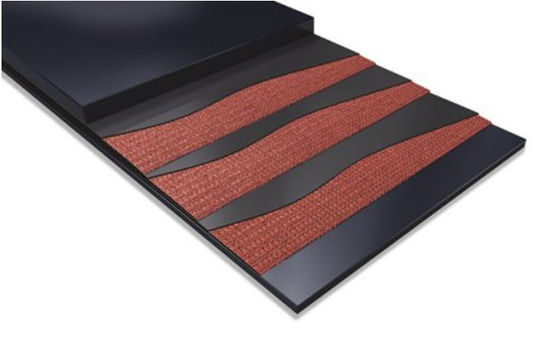
In today’s fast-paced industrial landscape, efficiency is paramount. Industries are continually seeking solutions that optimize processes and enhance productivity. **Polyester conveyor belts** have emerged as a pivotal component within various sectors, providing a reliable means of transporting materials. These belts are engineered for performance, combining strength with flexibility, making them suitable for a wide range of applications.
2. Advantages of Polyester Conveyor Belts in Industrial Applications
As industries evolve, the demand for efficient and effective transportation solutions grows. Polyester conveyor belts offer various advantages that cater to these needs.
2.1 Durability and Strength
One of the standout features of polyester conveyor belts is their remarkable durability. Constructed from high tensile strength materials, these belts can withstand heavy loads, reducing wear and tear over time. Their robust design ensures prolonged service life, which is crucial in minimizing downtime and maintenance costs.
2.2 Flexibility and Versatility
Polyester conveyor belts are incredibly versatile. They can be tailored to meet specific requirements, such as varying widths, lengths, and thicknesses. This customization allows them to fit seamlessly into any operational setup, whether it’s a food processing facility or a manufacturing plant.
2.3 Cost-Effectiveness
Investing in polyester conveyor belts can lead to significant cost savings in the long run. Their durability means fewer replacements, while their efficiency can lead to increased throughput. This cost-effectiveness makes them an attractive option for businesses looking to optimize their operations.
3. Key Features of Polyester Conveyor Belts
Understanding the key features of polyester conveyor belts can help businesses make informed decisions.
3.1 Resistance to Abrasion and Chemicals
Polyester conveyor belts are designed to resist abrasion and various chemicals, making them ideal for industries dealing with harsh environments. This resistance prolongs their life span and ensures consistent performance.
3.2 Lightweight Design
The lightweight nature of polyester conveyor belts makes them easy to install and replace. This feature not only contributes to lower transportation costs but also facilitates easier handling during maintenance procedures.
3.3 Temperature Resistance
Polyester belts can operate effectively across a range of temperatures, making them suitable for applications that involve extreme heat or cold. This thermal stability enhances their performance in diverse environments.
4. Applications Across Industries
Polyester conveyor belts find applications in numerous industries, showcasing their versatility and effectiveness.
4.1 Manufacturing
In manufacturing, polyester conveyor belts streamline the movement of goods, enhancing production efficiency. They are commonly used in assembly lines, enabling rapid and reliable transportation of components.
4.2 Food Processing
The food processing industry demands strict hygiene standards. Polyester conveyor belts can be designed to meet these standards while providing the necessary durability to handle heavy food products, making them indispensable in this sector.
4.3 Logistics and Warehousing
In logistics and warehousing, polyester conveyor belts facilitate the swift movement of packages and materials. Their lightweight and smooth operation contribute to increased efficiency in sorting and distribution.
4.4 Mining and Construction
Polyester conveyor belts are also prevalent in mining and construction, where they transport heavy materials over long distances. Their strength and durability play a critical role in maintaining productivity in these challenging environments.
5. Selecting the Right Polyester Conveyor Belt for Your Operation
Choosing the right conveyor belt is crucial for optimizing operational efficiency.
5.1 Understanding Your Requirements
Assessing your specific needs is the first step in selecting a conveyor belt. Consider factors such as load capacity, operating environment, and material types to ensure you choose the most suitable belt.
5.2 Consulting Experts and Suppliers
Consulting with experts or suppliers can provide valuable insights into the best polyester conveyor belt options for your operations. They can recommend products based on industry standards and specific use cases.
6. Installation and Maintenance of Polyester Conveyor Belts
Proper installation and maintenance are essential for maximizing the lifespan of polyester conveyor belts.
6.1 Best Practices for Installation
Following best practices during installation ensures optimal performance. This includes alignment, tensioning, and ensuring that all components are compatible with the belt being installed.
6.2 Ongoing Maintenance Strategies
Regular maintenance is vital for preventing unforeseen breakdowns. Implementing scheduled inspections and timely repairs can greatly extend the lifespan of your conveyor belts.
7. Future Trends in Conveyor Belt Technology
As technology advances, the conveyor belt industry is witnessing innovative developments. Smart belts equipped with sensors and IoT capabilities are emerging, enabling real-time monitoring and predictive maintenance. These advancements promise to enhance efficiency and reduce operational costs even further.
8. Frequently Asked Questions
What are the primary benefits of using polyester conveyor belts?
Polyester conveyor belts offer durability, flexibility, cost-effectiveness, and resistance to abrasion and chemicals, making them ideal for a variety of industrial applications.
How do I choose the right polyester conveyor belt for my business?
Evaluate your operational needs, including load capacity, environmental conditions, and material specifications, and consult with industry experts for tailored recommendations.
What maintenance is required for polyester conveyor belts?
Regular inspections, alignment checks, and timely repairs are essential to maintain the performance and extend the lifespan of polyester conveyor belts.
Can polyester conveyor belts be customized?
Yes, polyester conveyor belts are highly customizable in terms of width, length, and thickness to meet specific operational requirements.
Are polyester conveyor belts suitable for food processing?
Absolutely. Polyester conveyor belts can be designed to meet hygiene standards necessary for the food processing industry while providing durability and efficiency.
9. Conclusion
As industries seek ways to enhance efficiency and productivity, **polyester conveyor belts** stand out as a proven solution. With their unmatched durability, flexibility, and cost-effectiveness, these belts play a vital role across various sectors, from manufacturing to food processing. By understanding their features and applications, businesses can make informed decisions that lead to improved operational efficiency and reduced costs. Embracing polyester conveyor belts today will undoubtedly pave the way for a more efficient industrial future.
Othe informations
Understanding High Temperature Conveyor Belts: Essential Insights for Industrial Applications
High temperature conveyor belts are specialized materials designed to operate effectively in environments where conventional belts may fail due to elevated temperatures. These belts are crucial in industries such as metal processing, glass manufacturing, and food production, where the transfer of goods occurs at high heat levels. Understanding the features, materials, and applications of high temp
Understanding the Importance of Steel Cord Conveyor Belts in Industrial Applications
Understanding the Importance of Steel Cord Conveyor Belts in Industrial Applications Table of Contents 1. Introduction to Steel Cord Conveyor Belts 2. Key Benefits of Steel Cord Conveyor Belts 2.1 Durability and Strength 2.2 Enhanced Efficiency 2.3 Customization Options 3. Applications of Steel Cord Conveyor Belts
The Essential Guide to Nylon Conveyor Belts: Advantages and Applications
Nylon conveyor belts are an essential component in the realm of industrial equipment and components, particularly in the categories of chains and conveying devices. Known for their remarkable resilience and versatility, these belts are widely used across different industries to facilitate the movement of goods and materials. One of the standout features of nylon conveyor belts is their high tensi
Add:No. 12, Hexin Road, Sanhe Town, Tiantai County, Taizhou, Zhejiang, China
SOCIAL MEDIA
