
The Benefits of Using Polyester Conveyor Belts in Your Production Line
2026-06-26
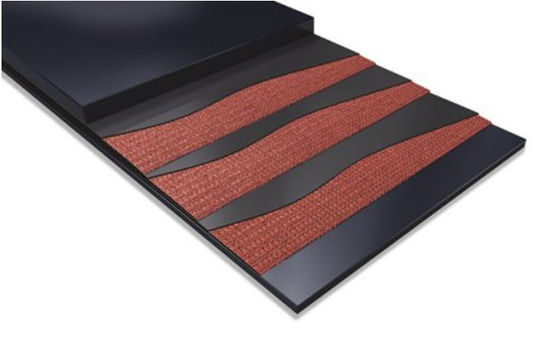
The Benefits of Using Polyester Conveyor Belts in Your Production Line
In the fast-evolving world of manufacturing and logistics, the efficiency of production lines is paramount. Every component, from machinery to materials, plays a crucial role in maintaining the flow of operations. One such vital component that often goes unnoticed is the conveyor belt. Among the various types of conveyor belts available, **polyester conveyor belts** stand out for their numerous advantages. In this article, we will explore the benefits of using polyester conveyor belts in your production line, covering aspects such as durability, cost-effectiveness, and versatility.
Table of Contents
- Introduction to Polyester Conveyor Belts
- Exceptional Durability of Polyester Conveyor Belts
- Cost-Effectiveness in the Long Run
- Versatility in Various Applications
- Performance Efficiency
- Low Maintenance Requirements
- Environmental Considerations
- Conclusion
- Frequently Asked Questions
Introduction to Polyester Conveyor Belts
Polyester conveyor belts are designed specifically to meet the demands of industrial environments. Known for their strength and elasticity, these belts are manufactured using high-quality polyester fibers. This unique composition allows them to withstand harsh conditions, making them a popular choice across various industries, including mining, food processing, and packaging.
Exceptional Durability of Polyester Conveyor Belts
One of the primary advantages of polyester conveyor belts is their **exceptional durability**. These belts are engineered to endure significant wear and tear, making them ideal for heavy-duty applications. The inherent strength of polyester fibers provides high tensile strength, enabling the belts to carry substantial loads without stretching or breaking. This durability translates into fewer replacements and repairs, ultimately leading to reduced operational downtime.
Resistance to Abrasion and Impact
Polyester conveyor belts exhibit remarkable resistance to abrasion and impact. This property is essential in environments where the materials being transported can cause wear on the belt. The ability to withstand impacts from heavy loads ensures that the belts maintain their structural integrity, thereby enhancing their lifespan.
Temperature Resistance
Another aspect of durability is temperature resistance. Polyester conveyor belts can operate effectively in a wide range of temperatures, making them suitable for both cold and hot environments. This feature is particularly beneficial in industries such as food processing, where temperature fluctuations can be common.
Cost-Effectiveness in the Long Run
While the initial investment in polyester conveyor belts might be higher than other materials, the **long-term cost-effectiveness** they offer is undeniable. Due to their durability and low maintenance requirements, these belts can reduce operational costs significantly over time.
Reduced Maintenance Costs
Maintenance costs can consume a substantial portion of a production line's budget. Polyester conveyor belts require minimal maintenance, which translates to lower labor costs and fewer resources spent on upkeep. Their robust construction means they are less prone to damage, allowing operations to run smoothly without frequent interruptions.
Longer Lifespan
The longevity of polyester conveyor belts also contributes to their cost-effectiveness. With a longer lifespan compared to other materials, companies can save money over time by reducing the frequency of replacements. This aspect is especially vital for businesses operating on tight budgets.
Versatility in Various Applications
Polyester conveyor belts are renowned for their **versatility**, making them suitable for a wide range of applications. Whether in manufacturing, logistics, or agriculture, these belts can adapt to various industries and environments.
Food Industry
In the food industry, hygiene and safety are paramount. Polyester conveyor belts can be manufactured to meet food-grade standards, ensuring that they are safe for transporting food products. Their resistance to moisture and chemicals makes them a preferred choice in food processing plants.
Mining and Heavy Industries
In heavy industries such as mining, the ability to carry heavy loads without compromising structural integrity is crucial. Polyester conveyor belts excel in these settings, offering the strength required to transport bulk materials efficiently.
Packaging and Logistics
In packaging and logistics, speed and efficiency are essential. Polyester conveyor belts facilitate quick and smooth movement of products, enhancing overall productivity in warehouses and distribution centers.
Performance Efficiency
Beyond durability and cost, **performance efficiency** is a key benefit of polyester conveyor belts. Their design enables them to operate at high speeds while maintaining stability and reliability.
High-Speed Operations
Polyester conveyor belts are capable of handling high-speed operations, which is vital for increasing throughput in production lines. Their low friction properties ensure that products move swiftly along the conveyor, reducing bottlenecks and improving overall efficiency.
Enhanced Load Capacity
These belts can accommodate a wide variety of load sizes, making them suitable for different applications. From small packages to heavy equipment, polyester conveyor belts can adapt to the needs of any production line.
Low Maintenance Requirements
Maintenance can often be a headache for manufacturers, but polyester conveyor belts significantly reduce this concern. Their **low maintenance requirements** allow companies to focus more on production and less on upkeep.
Easy Cleaning and Maintenance
Polyester conveyor belts are easy to clean, which is critical in industries such as food processing where hygiene is essential. Regular cleaning can be performed without damaging the belt, ensuring that it remains in optimal condition.
Minimal Wear and Tear
Thanks to their durable construction, polyester conveyor belts show minimal wear and tear over time. This reliability means fewer replacements and repairs, saving time and money.
Environmental Considerations
As sustainability becomes increasingly important in manufacturing, companies are seeking **environmentally friendly** solutions. Polyester conveyor belts offer several advantages in this area.
Recyclability
Polyester is a highly recyclable material, making it an eco-friendly choice for conveyor belts. At the end of their lifecycle, polyester belts can be processed and reused, reducing waste and environmental impact.
Reduced Energy Consumption
Due to their efficient design and low friction properties, polyester conveyor belts can help reduce energy consumption in production lines. This not only lowers operational costs but also contributes to a company's sustainability goals.
Conclusion
In conclusion, the benefits of using **polyester conveyor belts** in your production line are manifold. From exceptional durability and cost-effectiveness to versatility and low maintenance requirements, these belts provide solutions that enhance productivity and efficiency. By investing in polyester conveyor belts, companies can streamline their operations, reduce costs, and promote sustainability, ultimately leading to a more successful manufacturing process.
Frequently Asked Questions
1. What are polyester conveyor belts made of?
Polyester conveyor belts are made from high-quality polyester fibers, which provide strength and elasticity for various industrial applications.
2. How long do polyester conveyor belts last?
The lifespan of polyester conveyor belts can vary based on usage and maintenance, but they are generally known for their durability and can last several years with proper care.
3. Are polyester conveyor belts suitable for food processing?
Yes, polyester conveyor belts can be manufactured to meet food-grade standards, making them safe and hygienic for transporting food products.
4. How do polyester conveyor belts compare to rubber belts?
Polyester conveyor belts offer superior durability and low maintenance requirements compared to rubber belts, making them a more cost-effective choice in many applications.
5. Can polyester conveyor belts handle heavy loads?
Absolutely! Polyester conveyor belts are designed to handle heavy loads and provide excellent tensile strength, making them ideal for heavy-duty applications.
Choosing the right conveyor belt for your production line is crucial for maintaining efficiency and productivity. Polyester conveyor belts offer a range of benefits that make them an excellent investment for various industries. By leveraging their durability, cost-effectiveness, and versatility, companies can optimize their operations and achieve long-term success.
Othe informations
Understanding Rubber Conveyor Belts: Essential Insights for Industrial Applications
Rubber conveyor belts are a crucial component in many industrial applications, serving as the backbone for material handling systems across various sectors. These belts are designed to transport materials efficiently, helping to streamline operations and increase productivity. One of the primary advantages of rubber conveyor belts is their durability. Made from a combination of natural and synthet
How to Choose the Right High Temperature Conveyor Belt for Your Industry
How to Choose the Right High Temperature Conveyor Belt for Your Industry Table of Contents 1. Understanding High Temperature Conveyor Belts 2. Key Factors to Consider When Choosing a Conveyor Belt 3. Material Types and Their Properties 3.1. Rubber Conveyor Belts 3.2. Teflon Conveyor Belts 3.3. Silicone Conveyor Belts 3.4. Metal Conveyor Belts 4. Temperature Ratings and Their Importance 5. Design a
Understanding Steel Cord Conveyor Belts: A Key Component in Industrial Operations
Steel cord conveyor belts are an integral part of material handling systems, primarily used in heavy-duty applications across various industries. These belts are constructed with high tensile steel cords embedded within the belt's rubber layers, which provide exceptional strength and durability. This unique construction method not only enhances the belt's load-bearing capacity but also contributes
Add:No. 12, Hexin Road, Sanhe Town, Tiantai County, Taizhou, Zhejiang, China
SOCIAL MEDIA
