
Understanding Acid Resistant Conveyor Belts: Key Features and Applications
2026-03-06
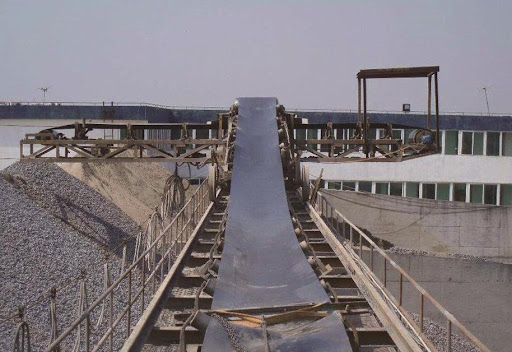
One of the primary features of acid resistant conveyor belts is their ability to maintain structural integrity in environments where traditional belts would fail. These belts are often utilized in applications involving the transport of acid-laden materials or in facilities where spills and leaks are a concern. For example, industries that handle sulfuric acid, hydrochloric acid, or other corrosive materials benefit significantly from using these specialized belts.
Another important aspect is the durability of acid resistant conveyor belts. They are engineered to resist wear and tear from both physical wear and chemical exposure, leading to increased service life. This durability translates to lower replacement costs over time, making them a cost-effective solution for businesses that operate in challenging environments.
In terms of applications, acid resistant conveyor belts find extensive use in various sectors. For instance, in the chemical industry, they are essential for moving raw materials and finished products that contain acids or corrosive chemicals. Similarly, in mining, these belts are employed to transport ores and minerals that may be acidic in nature. Furthermore, in food processing, acid resistant belts can safely handle acidic substances found in specific food items, ensuring compliance with industry standards.
When selecting an acid resistant conveyor belt, it is vital to consider factors such as the specific types of acids that will be encountered, the temperature range of the operations, and the overall load requirements. Proper assessment of these factors ensures that the chosen belt meets the operational demands without compromising safety or performance.
In conclusion, acid resistant conveyor belts play a crucial role in various industrial applications where chemical exposure is prevalent. Their ability to withstand harsh environments, coupled with their durability, makes them an indispensable asset for businesses aiming to improve efficiency and reduce maintenance. Understanding the key features and applications of acid resistant conveyor belts will empower industries to make informed choices, ultimately leading to enhanced productivity and safety.
Pre:
Othe informations
Understanding Acid Resistant Conveyor Belts: Key Features and Applications
Acid resistant conveyor belts are specialized belts engineered to handle the challenges posed by corrosive substances. These belts are constructed using materials that resist degradation from acids, alkalis, and other caustic elements. The most common materials used in the fabrication of these belts include rubber compounds specifically designed to endure harsh chemical environments. Understanding
Understanding the Benefits of Using Rubber Conveyor Belts in Industrial Applications
Understanding the Benefits of Using Rubber Conveyor Belts in Industrial Applications Table of Contents 1. Introduction to Rubber Conveyor Belts 2. Key Benefits of Rubber Conveyor Belts 2.1 Durability and Longevity 2.2 Flexibility and Versatility 2.3 Cost-Effectiveness 2.4 Enhanced Safety Features 3. Common Applicat
Understanding High Temperature Conveyor Belts: Essential Insights for Industrial Applications
High temperature conveyor belts are specialized materials designed to operate effectively in environments where conventional belts may fail due to elevated temperatures. These belts are crucial in industries such as metal processing, glass manufacturing, and food production, where the transfer of goods occurs at high heat levels. Understanding the features, materials, and applications of high temp
Add:No. 12, Hexin Road, Sanhe Town, Tiantai County, Taizhou, Zhejiang, China
SOCIAL MEDIA
