
Why Choose Polyester Conveyor Belts for Optimal Material Handling Efficiency?
2026-04-02
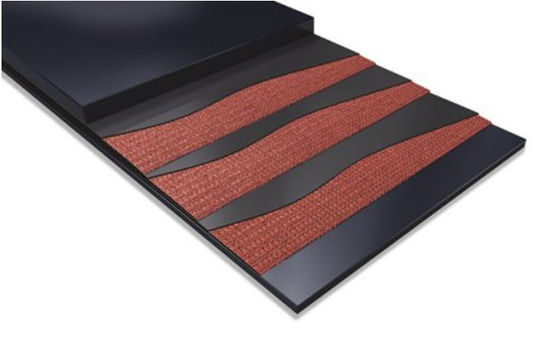
Why Choose Polyester Conveyor Belts for Optimal Material Handling Efficiency?
Table of Contents
- Introduction to Polyester Conveyor Belts
- Advantages of Polyester Conveyor Belts
- Applications of Polyester Conveyor Belts in Various Industries
- Maintenance Tips for Polyester Conveyor Belts
- Comparison with Other Conveyor Belt Materials
- FAQs About Polyester Conveyor Belts
- Conclusion
Introduction to Polyester Conveyor Belts
In the realm of material handling, **conveyor belts** play a crucial role in streamlining processes and enhancing efficiency. Among the various types of conveyor belts available, **polyester conveyor belts** have emerged as a preferred choice for many industries. These belts are not only designed to handle heavy loads but also offer exceptional resilience, flexibility, and longevity. In this article, we delve into why choosing polyester conveyor belts is a smart decision for your material handling needs.
Advantages of Polyester Conveyor Belts
Polyester conveyor belts boast several advantages that make them stand out in the **material handling** equipment landscape. Let’s explore these benefits in detail.
Durability and Strength
One of the primary reasons to opt for **polyester conveyor belts** is their remarkable durability. Made from high-tenacity polyester fibers, these belts can withstand significant wear and tear, ensuring a longer service life compared to other materials. They resist abrasion, cutting, and tearing, which makes them suitable for demanding environments where heavy loads are common. Whether you are transporting bulk materials or handling delicate items, polyester conveyor belts are built to last.
Cost-Effectiveness
Investing in polyester conveyor belts proves to be a cost-effective solution in the long run. While the initial investment may be competitive, the durability and low maintenance requirements of these belts significantly reduce operational costs. Businesses can save money on replacements and repairs, making polyester belts an economically sound choice. Additionally, their efficiency in material handling can lead to reduced labor costs and improved productivity.
Versatility in Applications
Polyester conveyor belts are incredibly versatile and cater to a wide range of applications. Their adaptability allows them to be used in various industries, from manufacturing to food processing. These belts can handle different materials, whether they are hot, cold, wet, or dry, making them a prime candidate for numerous applications. The ability to customize polyester belts with specific coatings and finishes further enhances their versatility, allowing them to meet specific operational needs.
Lightweight Design
Another notable advantage of polyester conveyor belts is their lightweight design. This feature makes installation and operation easier, as lighter belts exert less stress on conveyor systems. Their reduced weight can lead to lower energy consumption, contributing to a more sustainable operation. Moreover, the lightweight nature of polyester belts allows for improved speed and efficiency in material handling processes.
Applications of Polyester Conveyor Belts in Various Industries
Polyester conveyor belts are utilized in several industries due to their diverse properties. Let’s examine how they are applied across different sectors.
Food Industry
In the food industry, hygiene and safety are paramount. Polyester conveyor belts can be designed to withstand high temperatures and are often treated to be resistant to oil and grease. This makes them ideal for moving food products in processing plants, bakeries, and packaging facilities. Their smooth surface minimizes the risk of contamination, ensuring food safety compliance.
Mining and Heavy Industries
The mining sector requires robust materials that can handle abrasive environments. Polyester conveyor belts excel in this regard, offering high tensile strength and resistance to various chemicals. They are ideal for transporting minerals, coal, and other heavy materials over long distances, ensuring operational efficiency and safety in mining operations.
Packaging and Logistics
In packaging and logistics, speed and reliability are essential. Polyester conveyor belts facilitate the quick movement of goods through production lines and warehouses. Their design allows for seamless integration with automated systems, enhancing overall workflow efficiency. The belts can also be customized to accommodate specific packaging requirements, further streamlining operations.
Maintenance Tips for Polyester Conveyor Belts
To ensure the longevity and efficiency of polyester conveyor belts, regular maintenance is crucial. Here are some essential maintenance tips:
1. **Regular Inspections:** Conduct routine checks for signs of wear, fraying, or damage to the belt.
2. **Cleanliness:** Keep the belt clean from debris, oil, and other contaminants that can lead to slippage and wear.
3. **Proper Tensioning:** Ensure that the belt is correctly tensioned to prevent sagging and misalignment.
4. **Lubrication:** Regularly lubricate moving parts of the conveyor system to minimize friction and wear.
By adhering to these maintenance practices, businesses can maximize the lifespan and performance of their polyester conveyor belts.
Comparison with Other Conveyor Belt Materials
When selecting a conveyor belt, it’s essential to compare polyester belts with alternative materials.
**PVC Conveyor Belts**: Although PVC belts are often more affordable initially, they lack the durability and heat resistance of polyester belts. They are more suited for lighter applications and can require more frequent replacements.
**Rubber Conveyor Belts**: Rubber belts excel in heavy-duty applications but can be heavier and less cost-effective than polyester belts. They may also be prone to degradation in harsh environments.
**Nylon Conveyor Belts**: While nylon belts offer flexibility and strength, they are typically heavier than polyester options and can be more expensive. Polyester belts provide a better balance of performance and cost.
Overall, polyester conveyor belts present a compelling combination of durability, cost-efficiency, and versatility, making them a superior choice for many material handling applications.
FAQs About Polyester Conveyor Belts
1. **What is the lifespan of a polyester conveyor belt?**
The lifespan varies based on usage and maintenance but can typically range from 5 to 10 years.
2. **Can polyester conveyor belts be customized?**
Yes, they can be customized with various coatings and designs to suit specific applications.
3. **Are polyester conveyor belts suitable for outdoor use?**
While polyester belts perform well indoors, UV exposure may degrade them over time, so additional protection may be required for outdoor applications.
4. **How do polyester conveyor belts compare in terms of energy efficiency?**
Their lightweight design contributes to reduced energy consumption, making them more energy-efficient than heavier alternatives.
5. **What should I do if my polyester conveyor belt gets damaged?**
Repair or replace the belt as soon as possible to prevent further damage and maintain operational efficiency.
Conclusion
In conclusion, **polyester conveyor belts** are an excellent choice for businesses looking to enhance their material handling processes. Their durability, cost-effectiveness, versatility, and lightweight design make them suitable for a wide range of applications across various industries. By selecting polyester belts, organizations can improve efficiency, reduce costs, and ensure smoother operations. Adopting proper maintenance practices will further extend the lifespan of these belts, making them a worthwhile investment for any material handling system.
Pre:
Othe informations
Why Choose Polyester Conveyor Belts for Optimal Material Handling Efficiency?
Why Choose Polyester Conveyor Belts for Optimal Material Handling Efficiency? Table of Contents Introduction to Polyester Conveyor Belts Advantages of Polyester Conveyor Belts Durability and Strength Cost-Effectiveness Versatility in Applications Lightweight Design Applications of Polyester Conveyor Belts in Various Ind
Understanding Anti-Tear Conveyor Belts: Essential for Industrial Efficiency
In the realm of industrial equipment, conveyor belts play a pivotal role in facilitating the movement of materials across various production processes. Among the different types of conveyor belts available, anti-tear conveyor belts stand out due to their unique properties and advantages. As the name suggests, these belts are specifically engineered to resist tearing, a critical feature that enhanc
Quality heat resistant conveyor belt offers strong durability, excellent thermal stability, and reliable performance for high-temperature industrial applications
Add:No. 12, Hexin Road, Sanhe Town, Tiantai County, Taizhou, Zhejiang, China
SOCIAL MEDIA
