
Choosing the Right Acid Resistant Conveyor Belt for Maximum Efficiency
2026-05-08
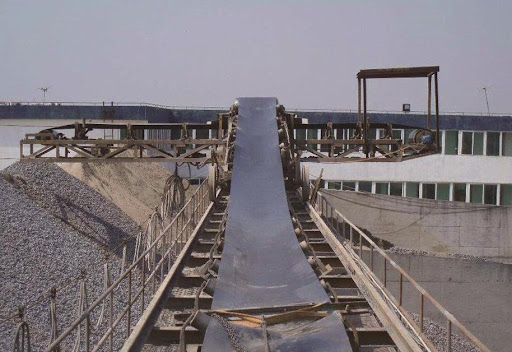
Choosing the Right Acid Resistant Conveyor Belt for Maximum Efficiency
Introduction
In various industrial applications, particularly those involving corrosive substances, choosing the right acid-resistant conveyor belt is crucial for maximizing efficiency. Conveyor belts play a vital role in the transportation of materials, and their effectiveness can directly impact productivity, safety, and overall operational costs. In this detailed guide, we will explore the various factors to consider when selecting an acid-resistant conveyor belt, including materials, design characteristics, maintenance practices, and common applications.
Understanding Acid Resistance in Conveyor Belts
Acid resistance refers to a material's ability to withstand corrosive substances without deteriorating. In industries such as chemical manufacturing, mining, and food processing, conveyor belts are often exposed to harsh acids and chemicals. Thus, understanding the levels of acid resistance in materials is essential for ensuring longevity and performance.
Key Properties of Acid-Resistant Conveyor Belts
When assessing acid-resistant conveyor belts, consider the following properties:
1. **Material Composition**: The base materials used in the belt are critical. Common materials include rubber, PVC, and polyurethane, which are engineered for specific acid environments.
2. **Thickness and Durability**: A thicker belt generally offers better resistance, but it must balance with flexibility for effective operation.
3. **Temperature Resistance**: Acid exposure is often coupled with high temperatures. Ensure the selected belt can withstand the operating temperature range.
4. **Chemical Compatibility**: Different acids react differently with materials. Conduct compatibility tests for specific acids used in your operations.
Types of Acid-Resistant Conveyor Belts
There are various types of acid-resistant conveyor belts tailored for specific applications. Selecting the right type can significantly enhance operational efficiency.
1. Rubber Conveyor Belts
Rubber conveyor belts, particularly those made with EPDM (Ethylene Propylene Diene Monomer) rubber, offer excellent acid resistance. They are widely used in industries where contact with sulfuric, hydrochloric, or nitric acids is common.
2. PVC Conveyor Belts
PVC conveyor belts are versatile and suitable for moderate acid exposure. They are often used in food processing and packaging where acidic substances may be present, but care must be taken with more aggressive acids.
3. Polyurethane Conveyor Belts
Polyurethane conveyor belts are highly durable and offer excellent resistance to both acids and abrasion. They are commonly used in applications involving chemical spills or in environments where mechanical wear is a concern.
4. Composite Conveyor Belts
Composite belts combine materials to enhance performance. These belts can be engineered for specific acid resistance, making them suitable for unique industrial applications.
Assessing Application Needs
Understanding the specific requirements of your operation is essential in selecting the right acid-resistant conveyor belt.
1. Identify the Chemicals Involved
Conduct a thorough analysis of the acids and chemicals your conveyor belt will encounter. Different environments may require different belt materials or designs.
2. Consider Load Weight and Volume
Evaluate the weight and volume of the materials being transported. Heavier loads may necessitate a thicker, more durable belt to ensure safe and effective transport.
3. Evaluate Temperature Conditions
Temperature plays a significant role in material selection. Ensure the belt can operate effectively within the temperature ranges present in your facility.
Important Features to Look For
When selecting an acid-resistant conveyor belt, certain features can enhance efficiency and safety.
1. Non-Slip Surface
A non-slip surface reduces the risk of material spillage and improves safety during operation. Textured surfaces or cleated designs can provide added grip.
2. Easy Cleaning and Maintenance
Choose belts that are easy to clean and maintain. Smooth surfaces may help in preventing the build-up of corrosive residues.
3. Customization Options
Consider whether the manufacturer offers customization options tailored to your specific needs, such as special lengths, widths, or additional protective coatings.
Maintenance Practices for Acid-Resistant Conveyor Belts
Proper maintenance is essential for prolonging the lifespan of your acid-resistant conveyor belt.
1. Regular Inspections
Conduct regular inspections to identify wear and tear. Look for signs of corrosion, fraying, or any other damage that could compromise performance.
2. Clean Thoroughly
After each shift, ensure that the conveyor belt is cleaned thoroughly to remove any corrosive substances that may have accumulated during operation.
3. Lubrication of Moving Parts
Lubricate the rollers and bearings of the conveyor to prevent friction and heat build-up, which can lead to premature failure.
4. Prompt Repairs
Address any issues immediately. Delaying repairs can lead to more significant problems and increased operational costs.
Cost Considerations When Selecting Conveyor Belts
While it might be tempting to opt for the cheapest option, investing in high-quality acid-resistant conveyor belts can yield significant long-term savings.
1. Total Cost of Ownership
Consider the total cost of ownership, which includes purchase price, maintenance costs, and expected lifespan. A higher upfront investment may lead to lower overall costs.
2. Impact on Production Efficiency
A high-quality conveyor belt enhances efficiency and reduces downtime. This can have a substantial impact on your overall productivity and profitability.
3. Warranty and Support
Choose suppliers that offer strong warranties and customer support. This can save you money and hassle in the event of product failure.
Frequently Asked Questions (FAQs)
1. What is the best material for an acid-resistant conveyor belt?
The best material depends on the specific acids involved, but rubber (especially EPDM), PVC, and polyurethane are popular choices.
2. How do I know if a conveyor belt is acid resistant?
Review the product specifications and consult with manufacturers to ensure the belt is designed for your specific acid applications.
3. Can I use a standard conveyor belt for acidic materials?
Using a standard conveyor belt for acidic materials is not recommended. It may lead to rapid deterioration and increased operational risks.
4. How do I maintain an acid-resistant conveyor belt?
Regular inspections, thorough cleaning, lubrication of moving parts, and prompt repairs are essential maintenance practices.
5. What are the signs that my conveyor belt needs replacement?
Signs include visible wear, corrosion, fraying, decreased performance, and frequent breakdowns.
Conclusion
Selecting the right acid-resistant conveyor belt is vital for maximizing efficiency in industries that handle corrosive materials. By understanding the properties of various belt materials, assessing your operational needs, and implementing strong maintenance practices, you can ensure that your conveyor system operates smoothly and effectively. Invest wisely in quality conveyor belts to enhance productivity, minimize costs, and maintain safety in your industrial processes.
Othe informations
The Role of Anti-Tear Conveyor Belts in Waste Management: Enhancing Efficiency and Safety
The Role of Anti-Tear Conveyor Belts in Waste Management: Enhancing Efficiency and Safety Table of Contents 1. Introduction to Anti-Tear Conveyor Belts 2. Importance of Anti-Tear Conveyor Belts in Waste Management 3. Benefits of Using Anti-Tear Conveyor Belts 4. Applications of Anti-Tear Conveyor Belts in Waste Management 5. Materials Used in Anti-Tear Conveyor Belts 6. Pr
Understanding Acid Resistant Conveyor Belts: Essential Knowledge for Industrial Applications
In industrial settings, the transportation of goods and materials often involves exposure to harsh environments, particularly when dealing with acidic substances. This is where acid resistant conveyor belts come into play. These specialized belts are designed to withstand the corrosive effects of acids and other harsh chemicals, ensuring safe and efficient transport of materials while minimizing w
Top Maintenance Tips for Prolonging the Life of Your Rubber Conveyor Belt
Top Maintenance Tips for Prolonging the Life of Your Rubber Conveyor Belt Rubber conveyor belts are a crucial component in a variety of industrial applications. From manufacturing to logistics, their role in efficiently transporting goods cannot be overstated. However, maintaining the integrity and functionality of these belts is essential for preventing downtime and costly repairs. In this guide,
Add:No. 12, Hexin Road, Sanhe Town, Tiantai County, Taizhou, Zhejiang, China
SOCIAL MEDIA
