
Understanding Acid Resistant Conveyor Belts: Essential Knowledge for Industrial Applications
2026-05-29
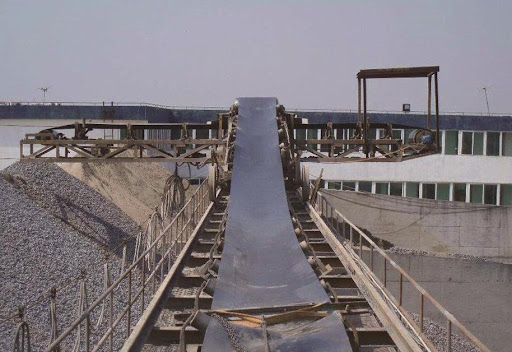
Acid resistant conveyor belts are typically made from materials such as rubber, PVC, or polyurethane, which are specifically formulated to resist degradation caused by acidic environments. The choice of material is critical, as it directly influences the durability and longevity of the belt. For example, certain rubber compounds can be engineered to provide superior resistance to specific types of acids, making them ideal for industries such as mining, chemical processing, and waste management.
One of the key benefits of using acid resistant conveyor belts is their ability to reduce maintenance costs. Standard conveyor belts can suffer from rapid wear when exposed to acids, leading to frequent replacements and downtime. By investing in acid resistant options, businesses can extend the lifespan of their conveyor systems, ultimately resulting in lower operational costs and increased productivity.
Moreover, these specialized belts are designed with safety in mind. The use of acid resistant materials ensures that harmful substances do not leach into the environment, protecting both workers and the surrounding ecosystem. In industries that handle hazardous materials, compliance with safety regulations is paramount; thus, choosing the right conveyor belt can help companies meet these requirements effectively.
Additionally, acid resistant conveyor belts are versatile and can be tailored to fit various applications. They can be manufactured in different widths, lengths, and thicknesses to accommodate specific operational needs. Furthermore, they can be integrated with features such as textured surfaces for improved grip, sidewalls to contain loose materials, and customizable cleats for enhanced material handling.
In summary, acid resistant conveyor belts are an essential consideration for industries dealing with corrosive materials. Their specialized construction offers significant advantages in terms of durability, safety, and cost-effectiveness, making them a wise choice for businesses aiming to optimize their operations. When selecting an acid resistant conveyor belt, it is crucial to assess your specific requirements and consult with experts to ensure you choose the most suitable option for your application.
Othe informations
The Role of Anti-Tear Conveyor Belts in Waste Management: Enhancing Efficiency and Safety
The Role of Anti-Tear Conveyor Belts in Waste Management: Enhancing Efficiency and Safety Table of Contents 1. Introduction to Anti-Tear Conveyor Belts 2. Importance of Anti-Tear Conveyor Belts in Waste Management 3. Benefits of Using Anti-Tear Conveyor Belts 4. Applications of Anti-Tear Conveyor Belts in Waste Management 5. Materials Used in Anti-Tear Conveyor Belts 6. Pr
Understanding Acid Resistant Conveyor Belts: Essential Knowledge for Industrial Applications
In industrial settings, the transportation of goods and materials often involves exposure to harsh environments, particularly when dealing with acidic substances. This is where acid resistant conveyor belts come into play. These specialized belts are designed to withstand the corrosive effects of acids and other harsh chemicals, ensuring safe and efficient transport of materials while minimizing w
Top Maintenance Tips for Prolonging the Life of Your Rubber Conveyor Belt
Top Maintenance Tips for Prolonging the Life of Your Rubber Conveyor Belt Rubber conveyor belts are a crucial component in a variety of industrial applications. From manufacturing to logistics, their role in efficiently transporting goods cannot be overstated. However, maintaining the integrity and functionality of these belts is essential for preventing downtime and costly repairs. In this guide,
Add:No. 12, Hexin Road, Sanhe Town, Tiantai County, Taizhou, Zhejiang, China
SOCIAL MEDIA
