

NYLON CONVEYOR BELTS
Contact Us
1.Application
It is suitable for medium and short distance material transportation, and widely used in mine, metallurgical,construction, port and other industries.
2.Features
High strength,good fatigue resistance, impact resistance, good grooving.
3.Specification and technical data of multi-ply nylon conveyor belt
| Fabric type | Fabric structure | Fabric specs | Ply thickness (mm/p) | Strength series (N/mm) | Cover thickness(mm) | Width (mm) | Length (m) | ||||||
| Warp | Weft | 2-ply | 3-ply | 4-ply | 5-ply | 6-ply | Top cover | Bottom cover | |||||
| Nylon (NN) | Polyamine | Polyamine | NN-100 | 0.75 | 200 | 300 | 400 | 500 | 600 | 0-20 | 0-10 | 400-3000 | ≤500 |
| NN-125 | 0.80 | 250 | 375 | 500 | 625 | 750 | |||||||
| NN-150 | 0.90 | 300 | 450 | 600 | 750 | 900 | |||||||
| NN-200 | 0.95 | 320 | 600 | 800 | 1000 | 1200 | |||||||
| NN-250 | 1.25 | 400 | 750 | 1000 | 1250 | 1500 | 0-30 | 0-15 | 500-3000 | ||||
| NN-300 | 1.30 | 500 | 900 | 1200 | 1500 | 1800 | |||||||
| NN-350 | 1.60 | - | 1050 | 1400 | 1750 | 2100 | |||||||
| NN-400 | 1.80 | - | - | 1600 | 2000 | 2400 | |||||||
| NN-450 | 2.00 | - | - | 1800 | 2250 | 2700 | 800-2500 | ||||||
| NN-500 | 2.20 | - | - | 2000 | 2500 | 3000 | |||||||
Note:Other specifications are available on request.
4.Adhesion and elongation of the belt
| Belt carcass | Adhesive strength | Elongation | |||
| Items | Between plies (N/mm) | Between cover rubber and carcass(N/mm) | Full thickness elongation at reference load in the longitudinal direction(%≤) | ||
| Rubber thickness 0.8~1.5mm | Rubber thickness >1.5mm | ||||
| Nylon canvas | Average value of all samples (N/mm) | ≥4.5 | ≥3.2 | ≥3.5 | 4 |
| Minimurm peak value of all specimens(N/mm) | ≥3.9 | ≥2.4 | ≥2.9 | ||
5.Cover grades
| Cover grade | Tensile strength ≥ | Elongation ≥ | Abrasion ≤ | The middle value of tensile strength and elongation rate at break shall be equal or greater than corresponding values before aging |
| Mpa | % | mm³ | % | |
| H | 24 | 450 | 120 | 75 |
| D | 18 | 400 | 100 | 75 |
| L | 15 | 350 | 200 | 75 |
Nylon conveyor belts provide high strength, flexibility, and impact resistance for smooth, durable material transport.
Nylon conveyor belts are widely used across various industries for their durability, flexibility, and high-performance capabilities. Designed with multiple layers of high-strength nylon fabric, these belts provide exceptional tensile strength, impact resistance, and long-lasting service life, making them an essential component in modern material-handling systems. Industries such as mining, metallurgy, construction, ports, agriculture, and manufacturing rely on nylon conveyor belts to ensure efficient, safe, and continuous material transport.
One of the primary advantages of nylon conveyor belts is their high tensile strength. The nylon fibers have excellent elasticity, which allows the belt to absorb shocks and impacts from heavy or irregularly shaped materials without stretching excessively or tearing. This strength is particularly important in industries that handle large loads, abrasive materials, or operate under harsh conditions, such as mining and quarrying. The multilayer construction of nylon belts enhances load-bearing capacity, allowing the belts to maintain stable operation under high tension and heavy duty use.
Flexibility is another key feature of nylon conveyor belts. Unlike rigid belts, nylon belts can bend easily around pulleys and rollers, ensuring smooth operation even in conveyor systems with small pulley diameters. This flexibility reduces friction and energy consumption, preventing premature wear and tear while enhancing system efficiency. Smooth bending also helps prevent delamination, cracking, or deformation, which extends the belt’s lifespan and minimizes maintenance costs.
Impact resistance is critical in applications where materials are dropped onto the belt from significant heights or moved at high speeds. Nylon conveyor belts can absorb the energy from impacts, protecting the belt structure and reducing the risk of operational disruptions. This makes them suitable for heavy-duty industries, such as mining and metallurgy, where materials like ores, rocks, and bulk goods are transported. The ability to withstand repeated impacts contributes to the belt’s reliability and long-term performance.
Nylon belts also exhibit excellent wear resistance. The high-quality nylon fabric resists abrasion caused by constant contact with conveyed materials, rollers, and pulleys. This makes them suitable for transporting abrasive materials such as coal, gravel, sand, and cement without excessive wear. Durable wear resistance reduces replacement frequency, which lowers operational costs and improves overall production efficiency.
Another important property of nylon conveyor belts is their resistance to moisture. Nylon maintains its strength and flexibility even in wet or humid conditions, making it ideal for outdoor applications, agricultural processes, and industries that involve washing or water spray. Unlike other materials that may swell or lose strength when exposed to moisture, nylon belts retain their structural integrity and performance.
Nylon conveyor belts are also lightweight compared to other heavy-duty belts, which reduces the energy required to drive the conveyor system. This not only lowers energy consumption but also decreases stress on motors, rollers, and other components, improving the overall efficiency and longevity of the conveyor system. Lightweight construction also allows for easier installation and handling during maintenance or replacement.
Customization is another advantage of nylon conveyor belts. They can be tailored in thickness, width, layer count, cover material, and surface texture to meet specific operational requirements. Depending on the application, nylon belts can be reinforced with additional plies for higher strength, coated for improved chemical resistance, or finished for enhanced grip or smooth transport of materials. This adaptability makes them suitable for a wide range of industries and material-handling needs.
Additionally, nylon belts provide consistent performance over a wide temperature range. They can operate in cold or hot environments without significant loss of strength or flexibility, making them versatile for various industrial settings. Combined with their chemical resistance, these properties ensure the belts perform reliably in diverse applications, from outdoor bulk material handling to indoor production lines.
Maintenance and longevity are also key benefits. Nylon conveyor belts require minimal maintenance due to their durability and resistance to wear, tear, and environmental factors. Their long service life reduces downtime and replacement costs, making them a cost-effective choice for businesses looking to optimize material-handling efficiency.
In summary, nylon conveyor belts are a high-performance solution for modern material-handling systems. They combine tensile strength, flexibility, impact resistance, wear resistance, moisture resistance, and lightweight construction to ensure reliable, efficient, and durable operation. Their adaptability and customization options make them suitable for a broad range of industries, providing businesses with an essential tool for continuous, safe, and efficient material transport.
Nylon conveyor belt is a widely used industrial conveying solution designed for efficient, stable, and long-distance transportation of bulk materials and packaged goods. Manufactured with high-quality nylon fabric as the core reinforcement layer and combined with durable rubber covers, this type of conveyor belt offers an excellent balance of strength, flexibility, wear resistance, and service life. It is suitable for a broad range of industries, including mining, cement, power generation, metallurgy, ports, chemical plants, construction materials, logistics, agriculture, and manufacturing.
The nylon fabric used in the belt carcass provides high tensile strength and strong impact resistance, allowing the belt to withstand heavy loads and repeated mechanical stress during operation. Compared with traditional cotton canvas belts, nylon conveyor belts exhibit significantly improved load-bearing capacity, better fatigue resistance, and enhanced durability under continuous operation. The fabric structure ensures uniform force distribution across the belt width, reducing deformation and minimizing the risk of tearing or delamination during long-term use.
One of the key advantages of a nylon conveyor belt is its excellent flexibility and low elongation characteristics. The belt can easily adapt to various conveyor layouts, including long center distances, high-speed systems, and complex conveying routes with multiple rollers and pulleys. Its good troughability enables efficient material containment, reducing spillage and improving conveying efficiency. At the same time, controlled elongation ensures stable tracking and simplifies belt tension adjustment during installation and maintenance.
The rubber covers of nylon conveyor belts are formulated to meet different working conditions and material characteristics. Standard abrasion-resistant covers provide outstanding resistance to wear, cutting, and gouging, making them ideal for handling coal, ore, sand, gravel, and other abrasive materials. For specialized applications, the belt can be produced with heat-resistant, oil-resistant, acid-alkali-resistant, flame-retardant, or cold-resistant rubber compounds. These options ensure reliable performance in high-temperature environments, oily conditions, chemical exposure, underground mining, or low-temperature outdoor operations.
Nylon conveyor belts also demonstrate good impact absorption, which helps protect both the belt and the conveyor system when materials are loaded from height. This characteristic is particularly valuable in mining, quarrying, and bulk handling applications where large or sharp materials are frequently dropped onto the belt surface. By reducing impact stress, the belt contributes to longer service life and lower overall operating costs.
From an operational standpoint, nylon conveyor belts offer stable running performance and low noise levels. The strong adhesion between the rubber cover and the nylon fabric minimizes the risk of layer separation, even under heavy loads and continuous operation. Smooth belt surfaces help reduce rolling resistance, leading to lower energy consumption and improved system efficiency. These benefits make nylon conveyor belts a cost-effective solution for both new installations and conveyor system upgrades.
In terms of maintenance, nylon conveyor belts are relatively easy to install, splice, and repair. They are compatible with various mechanical and vulcanized splicing methods, allowing users to choose the most suitable option based on operating conditions and maintenance requirements. Proper splicing ensures high joint strength and smooth belt operation, reducing downtime and improving overall productivity. Routine inspection and basic maintenance can further extend the belt’s service life and ensure consistent performance.
Nylon conveyor belts are available in a wide range of specifications, including different belt widths, tensile strengths, number of fabric plies, and cover thicknesses. This flexibility allows manufacturers to tailor the belt design to specific conveying needs, whether for light-duty material handling or heavy-duty bulk transport over long distances. Customization options also include surface patterns, edge sealing, and special cover properties to meet unique application demands.
Environmental adaptability is another important feature of nylon conveyor belts. They maintain reliable mechanical performance under varying humidity and temperature conditions, making them suitable for both indoor and outdoor installations. The material structure helps resist moisture absorption, reducing the risk of strength loss or deformation in humid environments. With proper material selection, nylon conveyor belts can perform consistently in harsh industrial settings.
Overall, a nylon conveyor belt is a proven and versatile conveying solution that combines strength, flexibility, durability, and adaptability. Its ability to handle heavy loads, resist abrasion and impact, and operate efficiently over long distances makes it an essential component in modern material handling systems. By choosing a high-quality nylon conveyor belt from a reliable manufacturer, users can achieve stable operation, reduced maintenance costs, and improved conveying efficiency across a wide range of industrial applications.
Related Products
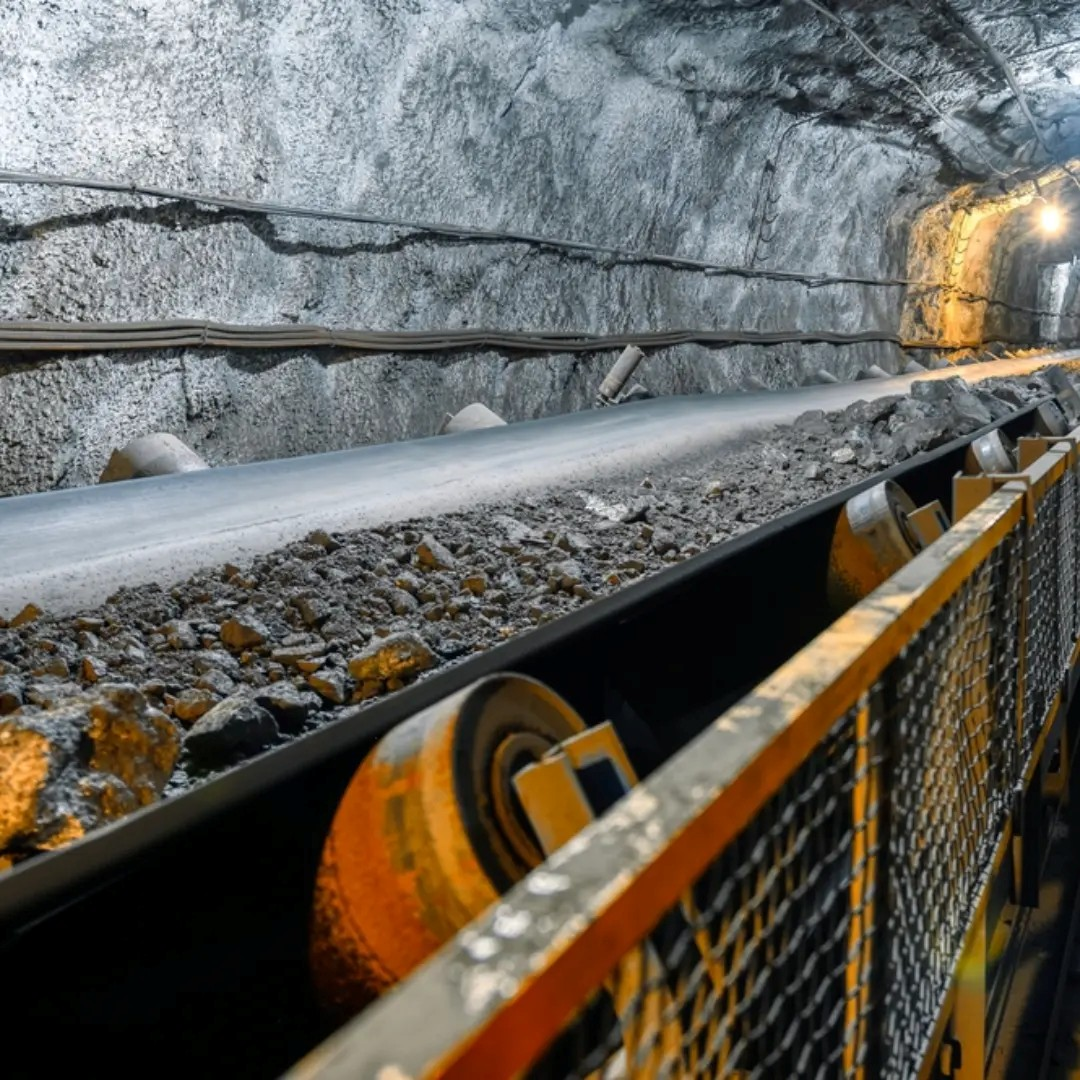
ABRASION RESISTANT ENERGY SAVING CONVEYOR BELTS
This belt is especially suitable for medium, long-distance transportation of materials, used in lines of mining,ports, electricity, metallurgical industry, chemical industry, coal mines and etc.
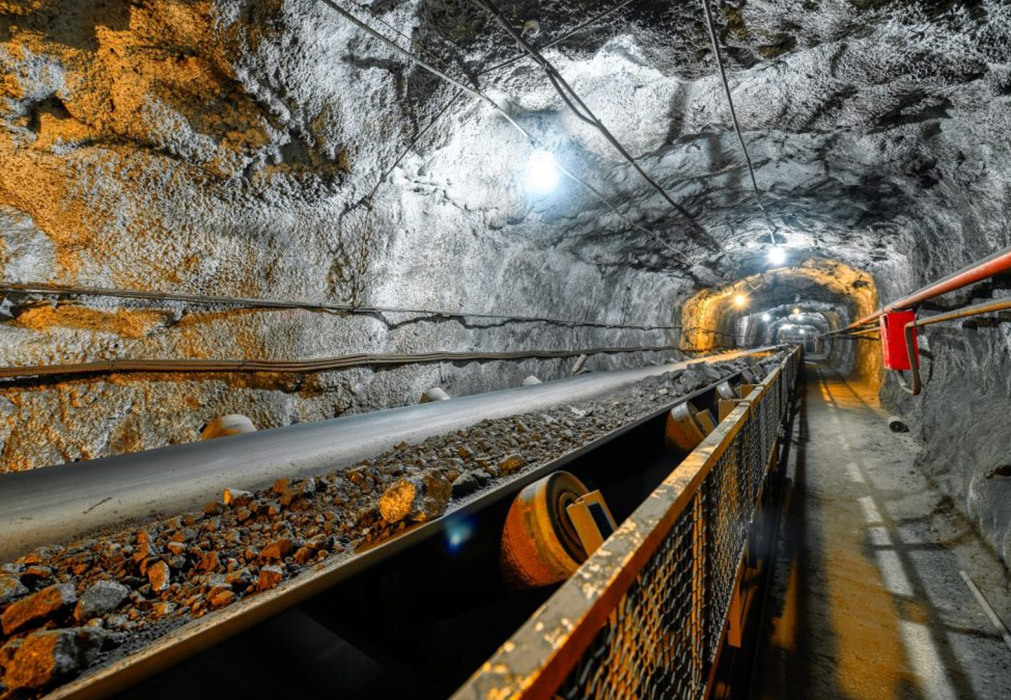
IMPACT RESISTANT CONVEYOR BELTS
This belt can bear the impact of sharp and large particle size ores, especially for the primary and secondary crushers in mines and great drop height operation conditions.
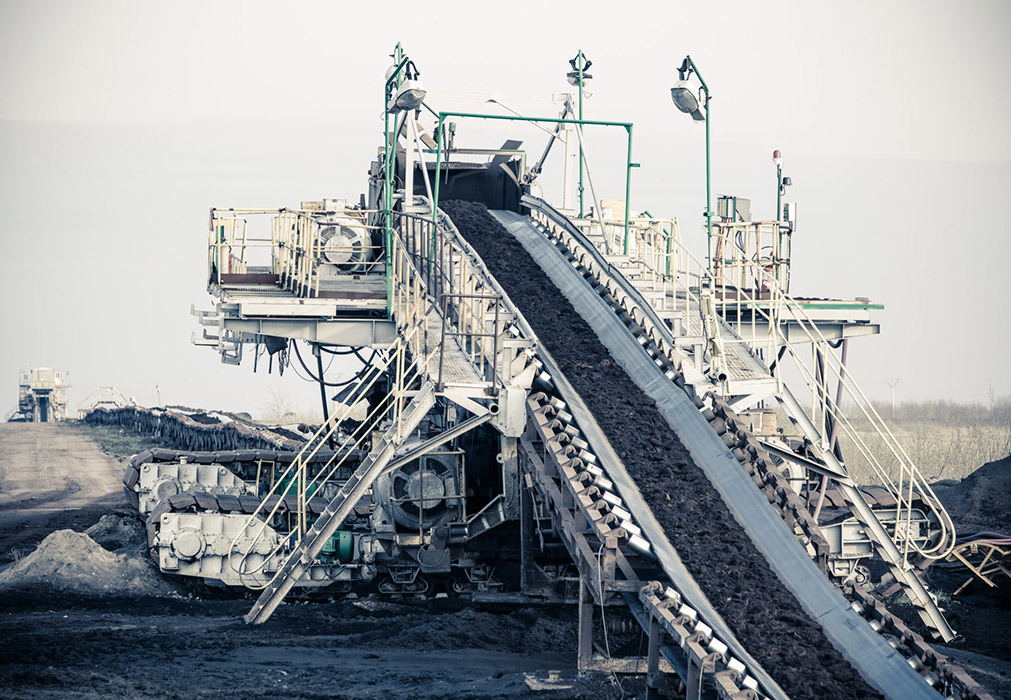
SUPER ABRASION RESISTANT CONVEYOR BELTS
Super Abrasion Resistant Belts are especially suited for medium to long length transportation in mines,ports, electric power,metallurgy, chemical, coals and other industries.
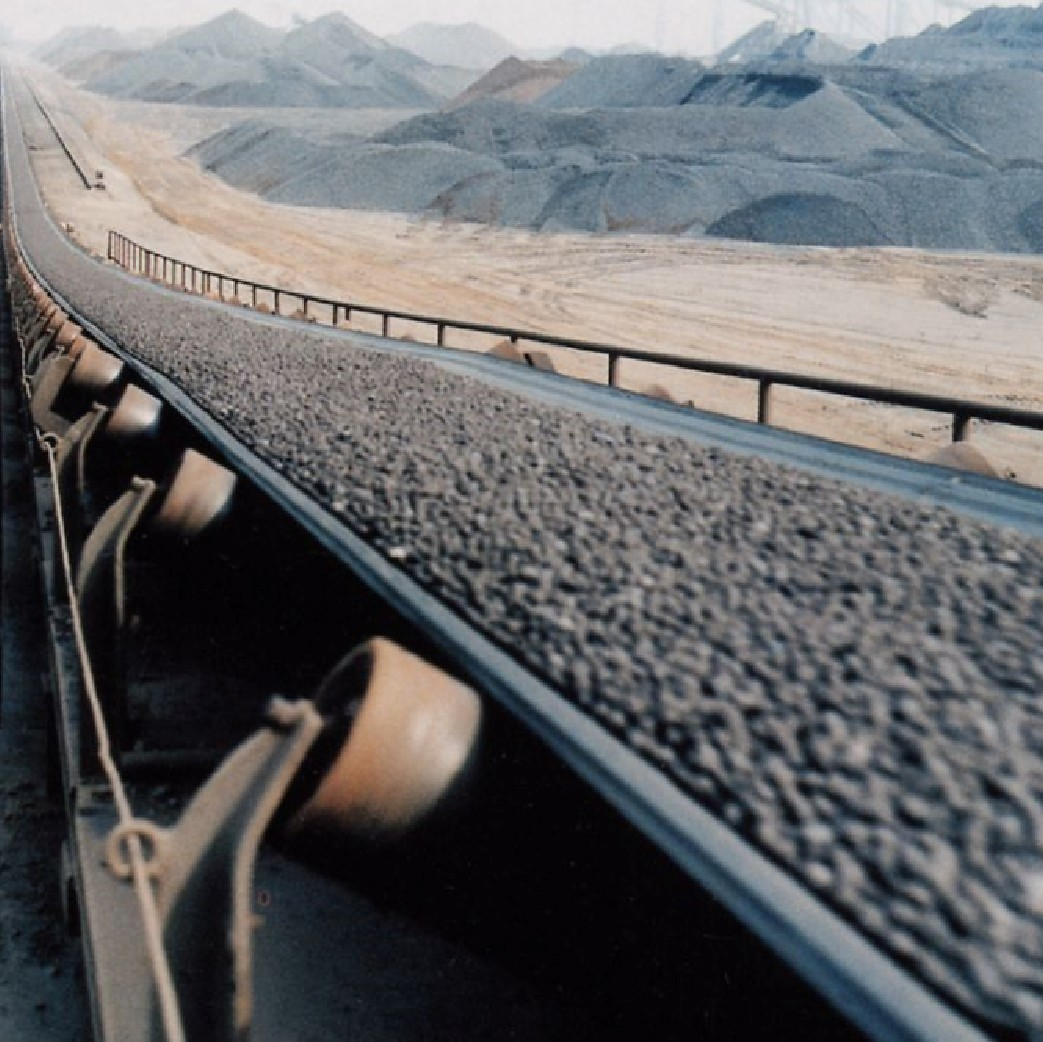
It is suitable for medium and short distance material transportation, and widely used in mine, metallurgical,construction, port and other industries.
NYLON CONVEYOR BELTS
mine
metallurgical
construction
port
nylon conveyor belt
best nylon conveyor belt
Contact Us
Add:No. 12, Hexin Road, Sanhe Town, Tiantai County, Taizhou, Zhejiang, China
SOCIAL MEDIA