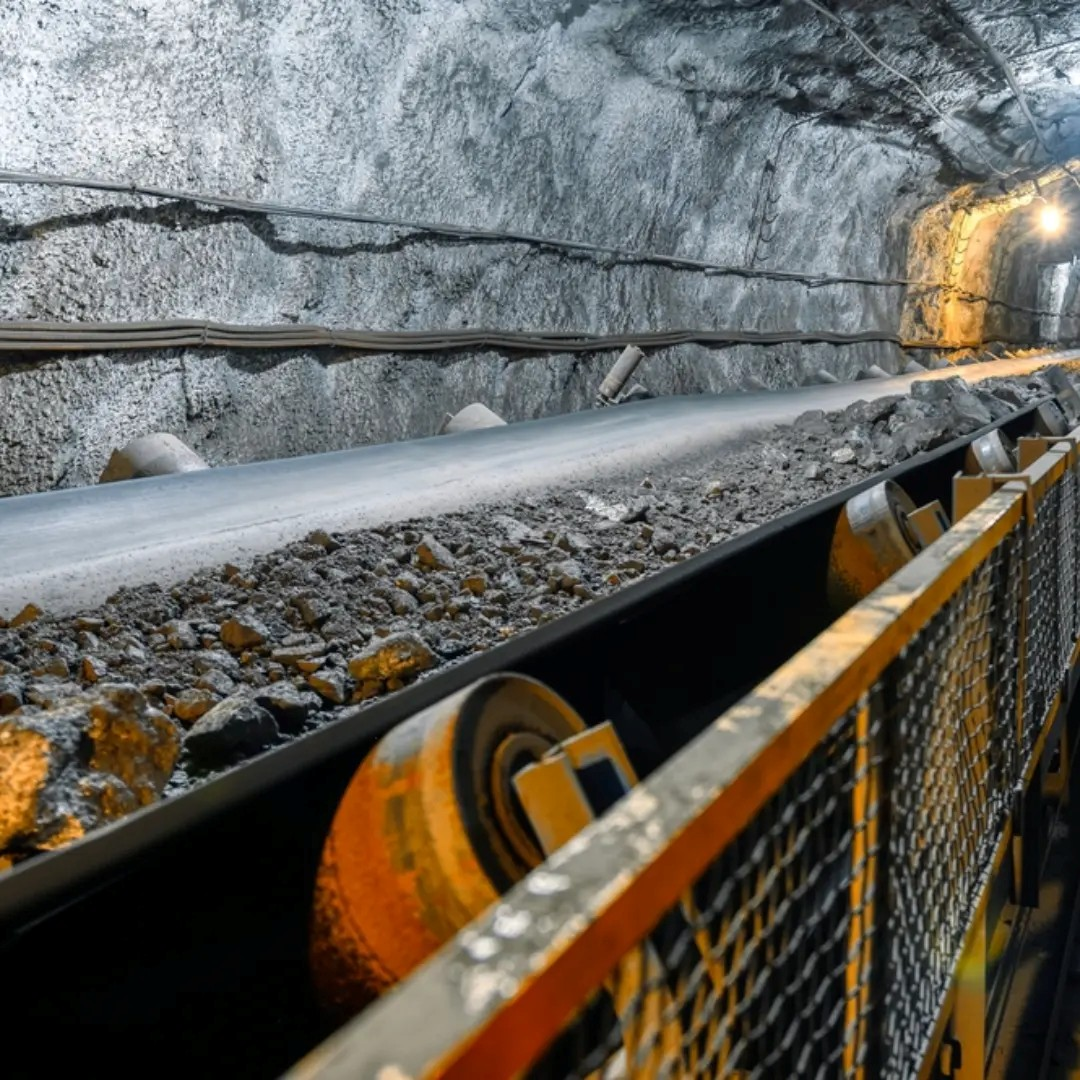
Fabric-core high-temperature conveyor belt (>150°C)
+
  • Fabric-core high-temperature conveyor belt (>150°C)
+

Fabric-core high-temperature conveyor belt (>150°C)

This product features a belt carcass made from EP fabric that boasts high modulus, low shrinkage, and exceptional tensile strength at break.


I. Characteristics

1. This product features a core made from high-modulus, low-shrinkage polyester canvas with exceptionally high tensile strength. The cover rubber is crafted from a high-temperature-resistant material, and the entire assembly undergoes precision manufacturing processes—including composite molding and vulcanization—using advanced techniques to ensure superior performance.

2. After undergoing a special impregnation and setting treatment, this product features high bonding strength, minimal elongation and deformation under normal operating conditions below 180°C, and excellent wear resistance.

3. Can withstand high temperatures of up to 250°C for short periods. Suitable for use in industries such as cement, coke production, metallurgy, and steelmaking.


II. Physical Performance Metrics

ProjectCategory
T1T2T3T4
Test temperature
≤100°C≤125°C≤150°C≤175℃
Allowance for variation
HardnessThe difference between the aged and the unaged 
(IRHD)
+20+20+20+20
Maximum value after aging 
(IRHD)
85858585
Tensile strengthPerformance Change Rate 
 (%)
-25-30-40-40
Minimum value after aging 
(MPa)
121055
Tensile elongation at breakRate of change after aging 
(%)
-50-50-55-55
Minimum value after aging 
(%)
2000.200180180

High-Temperature Conveyor Belts: Engineered for Extreme Heat

High-temperature conveyor belts are specialized components designed to transport hot materials in demanding industrial processes where standard belts would rapidly degrade. Their performance is critical in industries like metallurgy, glass manufacturing, cement production, and foundries.

Key Materials and Construction

The core distinction lies in their heat-resistant materials:

Carcass (Reinforcement): Typically made from fabrics woven from fiberglassaramid (e.g., Kevlar), or specially treated steel cords. These materials provide tensile strength while resisting thermal degradation.

Covers & Insulation: The belt surface in contact with hot materials uses specialized elastomers. Silicone rubber is predominant for its excellent heat resistance (up to ~220°C/428°F continuously, higher intermittently). EPDM (Ethylene Propylene Diene Monomer) is another common choice for dry heat. An inner heat insulation layer (often made of rubber mixed with heat-resistant fibers) is frequently added to protect the carcass from thermal damage.

Specialized Types: For extremely high temperatures (exceeding 400°C/750°F), belts may utilize PTFE (Teflon)-coated fiberglasssteel mesh, or even fully metallic belts (stainless steel, carbon steel) for sintering or annealing processes.

Primary Classifications and Temperature Ranges

Belts are categorized by their heat exposure profile:

High-Temperature Resistance Belt (For Hot Materials): Designed to carry hot items (e.g., cast metal parts, sintered ore, hot biscuits). The heat is primarily from the load. Temperature resistance typically ranges from 100°C to over 400°C (212°F to 750°F+).

Heat-Resistant Belt (For Hot Environments): Operates in high ambient heat, such as near furnaces or through curing ovens. They withstand continuous environmental temperatures often between 60°C and 150°C (140°F to 302°F).

Critical Design Considerations

Selecting the right belt requires analysis beyond peak temperature:

Continuous vs. Intermittent Temperature: Peak momentary exposure can be higher than continuous ratings.

Type of Heat: Radiant heat (from nearby sources), conductive heat (from direct contact with hot idlers), and carried material heat each affect the belt differently.

Material Characteristics: The size, abrasiveness, and moisture content of the hot load (e.g., wet vs. dry cement clinker) influence cover compound choice.

Cooling Requirements: In some systems, cooling mechanisms (air or water) are integrated to extend belt life.

Major Applications

Cement & Mining: Transporting hot clinker (up to 150°C).

Steel & Foundries: Moving coke, sinter, castings, and slag (often above 400°C).

Glass Manufacturing: Handling hot bottles, float glass, and cullet.

Ceramics & Tiles: Moving products through drying and firing kilns.

Food Processing: Baking and drying lines for cookies, crackers, and other products.

Maintenance and Lifespan

Service life under heat is reduced compared to standard applications. Key factors affecting longevity include:

Proper Installation and Tracking: To prevent edge damage and localized overheating.

Adequate Ventilation: Allowing heat to dissipate from the belt's underside.

Regular Inspection: Checking for cover cracking, ply separation, and edge wear caused by embrittlement.

Conclusion

A high-temperature conveyor belt is not a universal product but a precisely engineered solution. Its successful operation depends on correctly matching the belt's material composition, construction, and temperature rating to the specific thermal profile and physical demands of the application. Consulting with specialized manufacturers for testing and selection is essential for safety, efficiency, and cost-effectiveness.

Keywords:

Product Inquiry

Note: Please leave your contact information and our specialists will respond to you shortly!

Submit

Related Products

ABRASION RESISTANT ENERGY SAVING CONVEYOR BELTS

This belt is especially suitable for medium, long-distance transportation of materials, used in lines of mining,ports, electricity, metallurgical industry, chemical industry, coal mines and etc.
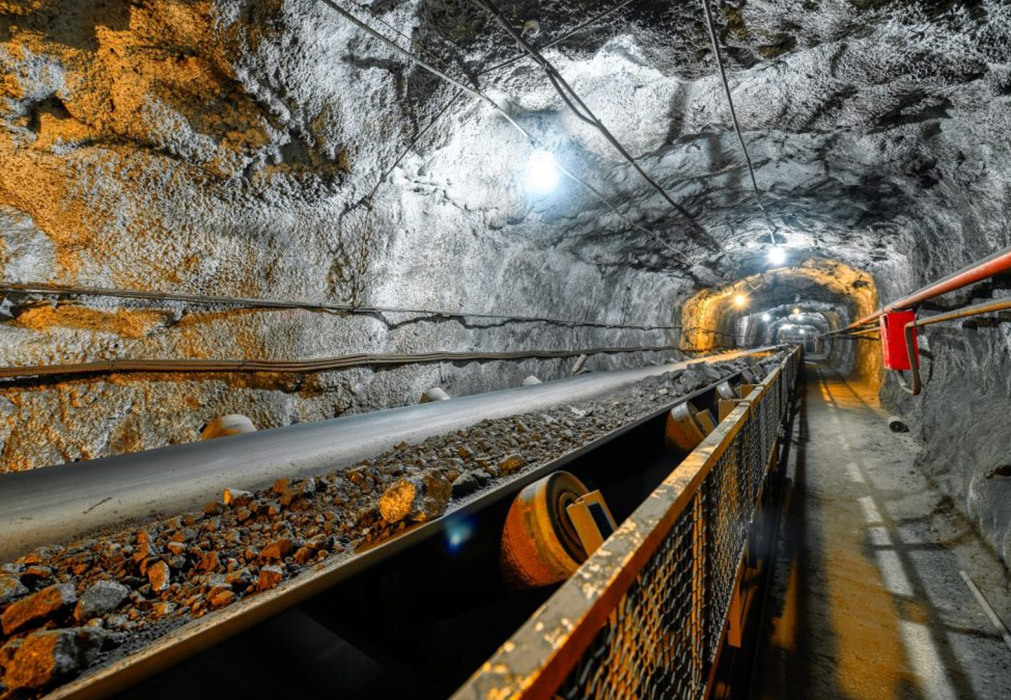
IMPACT RESISTANT CONVEYOR BELTS

This belt can bear the impact of sharp and large particle size ores, especially for the primary and secondary crushers in mines and great drop height operation conditions.
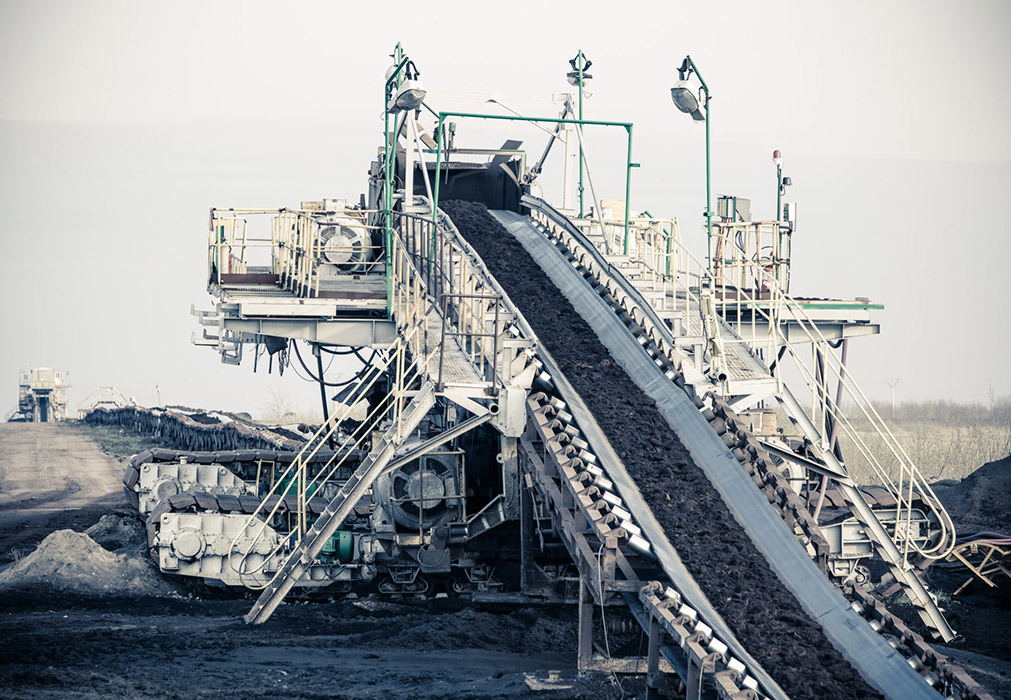
SUPER ABRASION RESISTANT CONVEYOR BELTS

Super Abrasion Resistant Belts are especially suited for medium to long length transportation in mines,ports, electric power,metallurgy, chemical, coals and other industries.
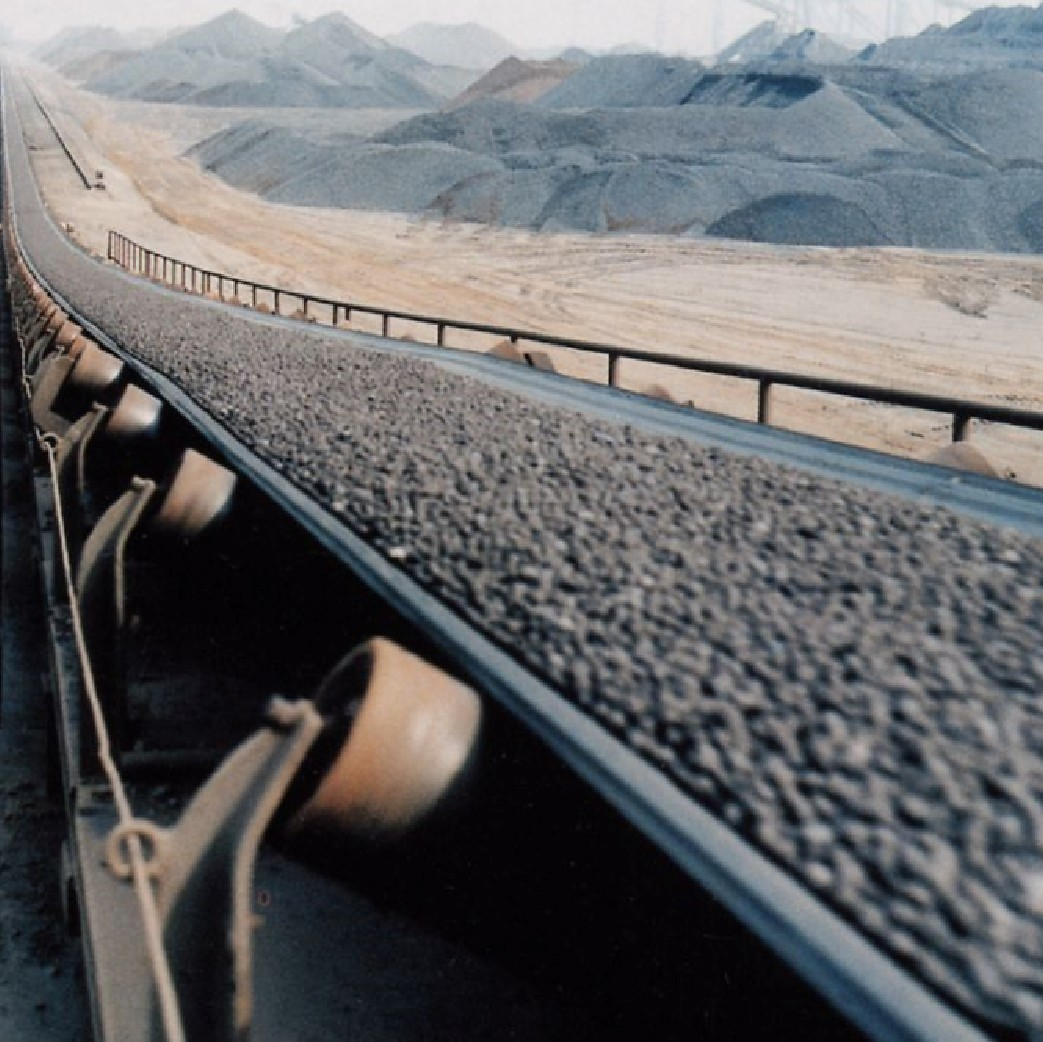
NYLON CONVEYOR BELTS

It is suitable for medium and short distance material transportation, and widely used in mine, metallurgical,construction, port and other industries.

Fabric-core high-temperature conveyor belt (>150°C)
+
  • Fabric-core high-temperature conveyor belt (>150°C)

Fabric-core high-temperature conveyor belt (>150°C)

This product features a belt carcass made from EP fabric that boasts high modulus, low shrinkage, and exceptional tensile strength at break.